Category: Uncategorized

  • ๐Ÿ‚ Best Practices for Transitioning Your HVAC System Into Cooler Seasons in Fontana

    By West End Heating & Air | Fontana | 909.490.7957
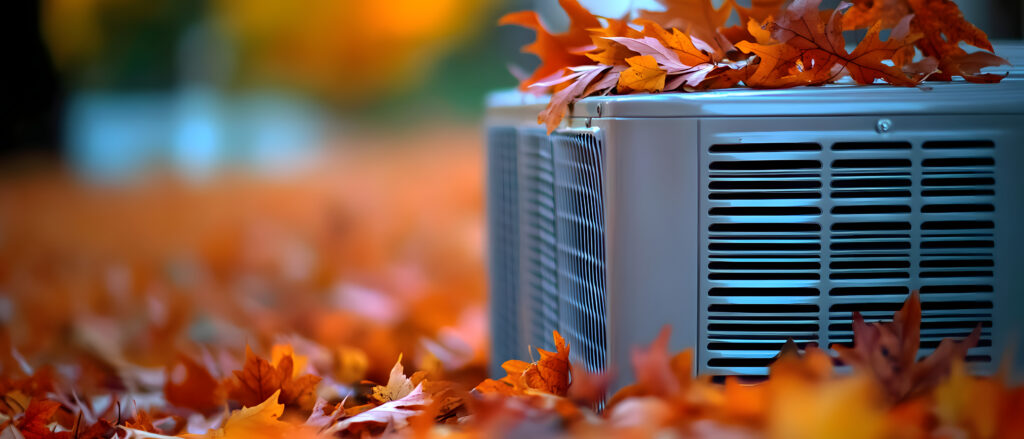
    Best Practices for Transitioning Your HVAC System Into Cooler Seasons in Fontana

    As summer temperatures begin to fade and cooler weather approaches, homeowners should start preparing their heating and cooling equipment for the seasonal transition. While Southern California is known for its relatively mild winters, Fontana residents can still experience chilly mornings, cool evenings, and significant temperature changes throughout the fall and winter months. Following proper seasonal HVAC maintenance practices helps improve indoor comfort, maintain energy efficiency, and reduce the risk of unexpected heating problems. West End Heating & Air provides professional HVAC maintenance in Fontana, helping homeowners prepare their air conditioning and heating systems for changing seasonal demands. Whether you need a fall HVAC tune-up, furnace inspection, thermostat adjustment, or complete heating system maintenance, call 909.490.7957 to schedule professional service and keep your home comfortable as temperatures drop.

    ๐Ÿ Why Seasonal HVAC Maintenance Matters in Fontana

    Transitioning from summer cooling to fall and winter heating is an important part of responsible home maintenance.

    During the warmer months, air conditioning systems often operate for extended periods to maintain comfortable indoor temperatures. As cooler weather arrives, heating equipment may remain unused until the first chilly evening.

    This period of reduced cooling demand provides an excellent opportunity to inspect HVAC equipment, address maintenance concerns, and prepare heating components for operation.

    Professional fall HVAC maintenance in Fontana helps identify developing problems before they become inconvenient or expensive repairs.

    Seasonal maintenance can also improve system reliability by ensuring essential components are functioning properly.

    A well-maintained heating and cooling system can help homeowners enjoy consistent indoor temperatures while avoiding unnecessary energy consumption.

    ๐Ÿ”ง 1. Schedule a Professional Fall HVAC Tune-Up

    One of the most effective ways to prepare for cooler weather is to schedule a professional HVAC system inspection before heating demand increases.

    Even if your heating equipment operated normally last winter, months of inactivity can allow dust accumulation, electrical issues, or mechanical problems to develop.

    A professional technician can evaluate the condition of your system and recommend necessary maintenance.

    A typical fall HVAC tune-up may include:

    • Inspecting electrical connections and controls
    • Checking thermostat operation
    • Evaluating heating system performance
    • Inspecting accessible components for wear
    • Checking airflow and blower operation
    • Examining safety controls
    • Inspecting condensate drainage where applicable
    • Identifying unusual noises or operating conditions
    • Evaluating overall system condition

    These inspections help homeowners address potential problems before they affect comfort.

    Scheduling maintenance before the coldest part of the season also provides time to complete recommended repairs.

    ๐ŸŒก๏ธ 2. Test Your Heating System Before Cold Weather Arrives

    Many homeowners wait until the first cold evening to turn on their heater.

    Unfortunately, this is often when previously unnoticed heating problems become apparent.

    Testing your heating system early can help identify issues while outdoor temperatures are still comfortable.

    Begin by switching your thermostat from cooling mode to heating mode.

    Set the desired temperature a few degrees above the current indoor temperature and allow the system to begin operating.

    Pay attention to whether warm air reaches the appropriate rooms and whether the system operates normally.

    Warning signs of potential heating problems include:

    • ๐Ÿ”ฅ Little or no warm air from supply vents
    • โš ๏ธ Unusual rattling, squealing, or banging noises
    • ๐ŸŒก๏ธ Inconsistent temperatures between rooms
    • ๐Ÿ”„ Frequent starting and stopping
    • ๐Ÿ’จ Weak airflow
    • ๐Ÿšจ Unexpected system shutdowns
    • ๐Ÿ“ˆ Unusually high energy consumption

    If your equipment displays these symptoms, professional heating repair in Fontana may be necessary.

    If you smell gas, leave the building and contact your gas utility or emergency services from a safe location. Do not attempt to operate the equipment.

    Testing early helps reduce the likelihood of discovering a heating problem when you need the system most.

    ๐Ÿงผ 3. Replace or Clean Your HVAC Air Filters

    Air filters play an important role in maintaining proper airflow and indoor air quality.

    Throughout the summer, filters collect dust, pollen, pet dander, and other airborne particles.

    As filters become clogged, airflow through the HVAC system may become restricted.

    Restricted airflow can affect heating and cooling performance and increase strain on certain system components.

    Before transitioning into cooler weather, inspect your air filter and replace or clean it according to the manufacturer’s recommendations.

    ๐Ÿ  Benefits of Maintaining Clean HVAC Filters

    Regular HVAC air filter replacement can help:

    • Support consistent airflow
    • Reduce dust accumulation inside equipment
    • Improve filtration of airborne particles
    • Maintain heating and cooling performance
    • Reduce unnecessary system strain
    • Support a cleaner indoor environment

    Filter replacement intervals depend on filter type, system usage, household conditions, and manufacturer guidance.

    Homes with pets, high dust levels, or frequent HVAC operation may require more frequent inspections.

    Choosing the correct filter size and appropriate efficiency rating is also important because overly restrictive filters can reduce airflow.

    ๐ŸŒฌ๏ธ 4. Inspect Air Vents and Maintain Proper Airflow

    Supply and return vents help distribute conditioned air throughout your home.

    When vents become blocked by furniture, rugs, curtains, or stored belongings, airflow may be reduced.

    Before cooler weather arrives, walk through your home and inspect accessible supply and return openings.

    Make sure furniture and other objects are not obstructing airflow.

    You can also gently remove visible dust from accessible vent covers.

    ๐Ÿก Why Balanced Airflow Matters

    Proper airflow helps your HVAC system maintain more consistent indoor temperatures.

    Poor airflow can contribute to:

    • Uneven heating between rooms
    • Reduced comfort
    • Longer system operating periods
    • Excessive temperature differences
    • Increased strain on HVAC components

    If certain rooms consistently remain colder than others, professional HVAC airflow inspection may help identify ductwork, equipment, or distribution problems.

    Avoid closing numerous supply vents in an attempt to redirect heat unless your system was specifically designed for that operating arrangement.

    ๐Ÿ”ฅ 5. Inspect Your Furnace and Heating Components

    For homes equipped with gas furnaces, seasonal maintenance is especially important because the equipment uses combustion to generate heat.

    A professional furnace inspection in Fontana can help identify operating concerns and evaluate important safety components.

    Depending on the equipment, a technician may inspect the burner assembly, ignition system, heat exchanger, venting components, blower motor, and safety controls.

    โš ๏ธ Important Furnace Safety Considerations

    Gas heating equipment should operate with proper combustion and ventilation.

    Damaged heat exchangers, blocked exhaust vents, or malfunctioning components can create serious safety concerns.

    Homeowners should never attempt to disassemble combustion components or perform gas-related repairs without appropriate training.

    Make sure carbon monoxide alarms are installed and maintained according to applicable safety recommendations.

    Professional furnace maintenance helps ensure that important operating and safety components receive appropriate attention before regular winter use.

    โš™๏ธ 6. Prepare Your Heat Pump for Heating Season

    Not every Fontana home uses a traditional furnace.

    Some properties rely on heat pumps, which provide both heating and cooling by transferring heat between indoor and outdoor environments.

    During summer, a heat pump operates in cooling mode.

    When cooler weather arrives, the system reverses its operation to provide indoor heating.

    A professional heat pump maintenance appointment may include checking the reversing valve, electrical components, refrigerant-related performance, airflow, and defrost controls.

    Homeowners should also keep outdoor units clear of leaves, debris, and other obstructions.

    Because heat pumps operate differently from gas furnaces, their maintenance requirements may vary.

    Proper seasonal preparation helps maintain efficient heating performance as outdoor temperatures change.

    ๐ŸŒก๏ธ 7. Adjust Your Thermostat for Cooler Weather

    Your thermostat plays a central role in maintaining indoor comfort and controlling HVAC operation.

    As temperatures decrease, cooling settings that worked during summer may no longer be appropriate.

    Review your thermostat schedule and adjust temperature settings to match your household’s fall and winter routines.

    A programmable or smart thermostat can help manage heating demand by automatically adjusting temperatures throughout the day.

    ๐Ÿ“ฑ Smart Thermostat Benefits

    Depending on the model and HVAC system, a smart thermostat may provide:

    • Automatic heating schedules
    • Remote temperature adjustments
    • Energy usage information
    • Vacation or away settings
    • Temperature programming
    • Maintenance reminders

    For many households, setting the thermostat to a comfortable temperature while occupied and lowering it during extended absences can reduce heating energy consumption.

    However, heat pump systems may require different setback strategies, particularly when auxiliary electric resistance heating is involved.

    Professional thermostat installation and maintenance can help ensure compatibility with your equipment.

    ๐Ÿ  8. Seal Air Leaks and Improve Home Insulation

    Even a well-maintained heating system may struggle to maintain comfort when warm indoor air escapes through gaps around windows, doors, and other openings.

    Air leaks can increase heating demand and contribute to uncomfortable drafts.

    Before cooler weather arrives, inspect common areas where conditioned air may escape.

    These include:

    • Exterior doors
    • Window frames
    • Attic access openings
    • Plumbing penetrations
    • Electrical openings
    • Weatherstripping
    • Accessible duct connections

    Applying suitable weatherstripping or caulking to appropriate gaps can help reduce unwanted air movement.

    Insulation improvements may also help maintain more consistent indoor temperatures.

    For homeowners interested in energy-efficient heating in Fontana, reducing unnecessary heat loss can complement professional HVAC maintenance.

    ๐Ÿ‚ 9. Keep Outdoor HVAC Equipment Clear of Debris

    Fall weather can introduce leaves, dust, branches, and other debris around outdoor HVAC equipment.

    For air conditioners and heat pumps, maintaining appropriate clearance around outdoor units helps support airflow.

    Remove loose leaves and debris from the surrounding area without damaging equipment components.

    Avoid stacking storage containers, landscaping materials, or other objects against the unit.

    Heat pump outdoor units require unobstructed airflow during heating operation, making seasonal clearance particularly important.

    If the equipment has heavily soiled coils or visible damage, schedule professional service rather than attempting aggressive cleaning.

    Proper outdoor HVAC unit maintenance helps reduce airflow restrictions and supports normal system operation.

    ๐Ÿ” 10. Watch for Warning Signs of HVAC Problems

    Seasonal transitions can reveal issues that were not noticeable during summer operation.

    Homeowners should pay attention to changes in system performance when switching from cooling to heating.

    Potential warning signs include:

    • Unusual odors that persist during operation
    • Excessive cycling
    • Inconsistent heating
    • Unexpected thermostat behavior
    • Weak airflow
    • Unusual equipment noises
    • Higher-than-normal utility bills
    • Repeated system fault codes

    Some dust-related odors may occur briefly when heating equipment first operates after a long period of inactivity.

    However, persistent burning smells, smoke, gas odors, or electrical concerns require immediate attention.

    If you suspect an electrical hazard, stop using the system and contact a qualified professional.

    Prompt HVAC troubleshooting in Fontana can help identify developing issues before they lead to more extensive repairs.

    ๐Ÿ’ฐ 11. Improve HVAC Energy Efficiency During Fall and Winter

    Energy efficiency remains important even when outdoor temperatures are cooler.

    Heating systems that operate unnecessarily or struggle with restricted airflow may consume more energy than needed.

    Several practical habits can help improve HVAC energy efficiency:

    • Replace dirty air filters
    • Schedule seasonal equipment maintenance
    • Use appropriate thermostat settings
    • Keep vents and returns unobstructed
    • Address air leaks
    • Maintain proper insulation
    • Repair malfunctioning heating components
    • Avoid unnecessary heating when the home is unoccupied

    These practices can help reduce avoidable energy consumption while maintaining comfort.

    Professional maintenance also provides an opportunity to evaluate whether older equipment is operating effectively.

    If a system requires frequent repairs or struggles to maintain temperatures, homeowners may benefit from discussing repair and replacement options.

    ๐Ÿ“… 12. Create a Year-Round HVAC Maintenance Schedule

    Seasonal maintenance should not be limited to the first cold day of the year.

    A consistent preventive HVAC maintenance schedule helps homeowners prepare for changing weather conditions throughout the year.

    ๐ŸŒท Spring HVAC Preparation

    Spring is an ideal time to inspect cooling equipment, check airflow, and prepare for warmer temperatures.

    โ˜€๏ธ Summer HVAC Care

    During summer, monitor cooling performance, maintain clean filters, and keep outdoor equipment unobstructed.

    ๐Ÿ Fall HVAC Preparation

    Fall is the time to inspect heating equipment, test thermostat operation, replace filters, and address potential heating concerns.

    โ„๏ธ Winter HVAC Monitoring

    During winter, watch for unusual heating behavior, maintain clear airflow, and respond promptly to performance problems.

    A year-round maintenance plan helps homeowners take a proactive approach to equipment care rather than waiting for breakdowns.

    ๐Ÿ“ Why Fontana Homeowners Should Prepare Early

    Fontana experiences warm summers and cooler winter conditions, making reliable heating and cooling equipment important throughout the year.

    Although winter temperatures are generally milder than in many other regions, chilly evenings and early mornings can still create significant heating demand.

    Homeowners who prepare their equipment before temperatures drop are better positioned to maintain comfort when heating becomes necessary.

    Scheduling seasonal HVAC service in Fontana early can also provide time to address worn components, airflow problems, or thermostat concerns.

    For families seeking dependable indoor comfort, preventive maintenance is often more convenient than responding to an unexpected equipment failure.

    ๐Ÿ“ž Schedule Your Fall HVAC Maintenance in Fontana Today!

    Preparing your HVAC system for cooler weather is one of the most practical steps you can take to maintain home comfort, support energy efficiency, and reduce the risk of unexpected heating problems. From replacing air filters and testing your thermostat to inspecting furnace components and maintaining proper airflow, these fall HVAC maintenance tips can help keep your heating and cooling equipment ready for seasonal changes. West End Heating & Air provides dependable HVAC maintenance in Fontana, professional heating system inspections, and reliable heating and cooling services to help homeowners transition smoothly into fall and winter. Don’t wait until the first cold night to discover a problem with your heating equipment. Call 909.490.7957 today to schedule your seasonal HVAC inspection and enjoy dependable indoor comfort throughout the cooler months.
  • ๐ŸŒก๏ธ Best Thermostat Setting for 100-Degree Days in Fontana

    By West End Heating & Air | Fontana | 909.490.7957

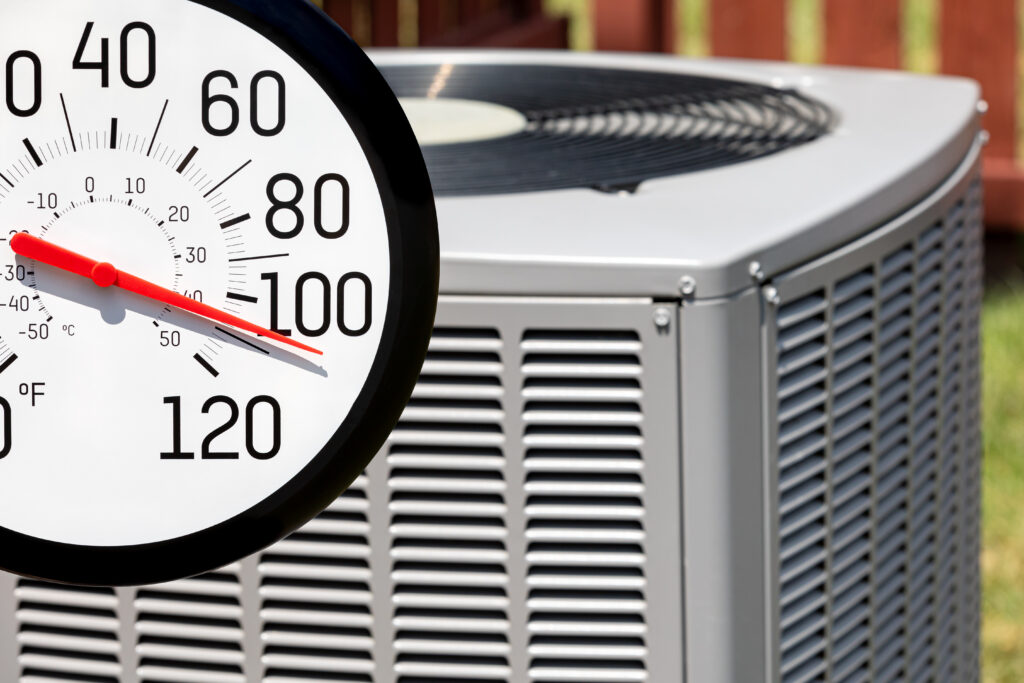
    Best Thermostat Setting for 100-Degree Days in Fontana

    When the temperature outside reaches 100 degrees or higher, your air conditioner has a big job to do. Many homeowners respond by turning the thermostat down to 68 or 70 degrees, hoping the house will cool faster. Unfortunately, that usually doesn’t work the way people expect. At West End Heating & Air, we help Fontana homeowners keep their homes comfortable while avoiding unnecessary strain on their cooling systems. If your AC can’t keep up during extreme heat or you’re concerned about high summer energy bills, call 909.490.7957 for professional HVAC service.

    โ˜€๏ธ What Temperature Should You Set Your Thermostat When It’s 100 Degrees Outside?

    For many households, 78ยฐF is a good starting point when you’re home during hot summer weather.

    That doesn’t mean every homeowner has to keep the thermostat at exactly 78 degrees. Personal comfort, your home’s insulation, sun exposure, HVAC equipment, indoor humidity, and household needs can all influence the temperature that works best.

    Some homeowners may prefer 76 or 77 degrees, while others are comfortable at 79 or 80.

    The important point is to avoid assuming that setting the thermostat extremely low will make your air conditioner cool the house faster.

    Your thermostat tells the HVAC system what temperature you want. Setting it to 68 instead of 76 generally doesn’t make a standard air conditioner suddenly produce colder air. It simply tells the system to continue operating until the lower target temperature is reached.

    On a 100-degree Fontana afternoon, that could mean a very long cooling cycle.

    โ„๏ธ Why 68 Degrees Can Be a Tough Target on a 100-Degree Day

    Think about the temperature difference your air conditioner is being asked to overcome.

    If it’s 100ยฐF outside and your thermostat is set to 78ยฐF, you’re asking your home and HVAC system to maintain a 22-degree difference.

    Set the thermostat to 68ยฐF, and that difference becomes 32 degrees.

    Your home’s insulation, windows, doors, attic, ductwork, air leakage, and direct sunlight all affect how quickly outdoor heat enters the building.

    As the outdoor temperature climbs, heat continuously works its way into the home.

    That’s why extreme summer heat can lead to longer AC run times even when the equipment is operating normally.

    ๐Ÿ  Is 78 Degrees Really the Best Setting?

    There isn’t one perfect thermostat temperature for every home or every person.

    However, 78ยฐF has long been used as an energy-conscious summer benchmark when people are home.

    A practical approach is to start around 78 degrees and adjust gradually for comfort.

    If 78 feels too warm, try 77. If that’s still uncomfortable, try 76.

    Small adjustments are generally better than immediately dropping the thermostat several degrees.

    Ceiling fans can also make occupied rooms feel more comfortable by moving air across your skin. Remember that fans cool people rather than the actual room, so turn them off when nobody is using the space.

    ๐Ÿ”ฅ What Happens to Your AC During a 100-Degree Fontana Afternoon?

    Air conditioners remove heat from inside your home and transfer it outdoors.

    When outdoor temperatures become extreme, that process becomes more demanding. At the same time, your home is continually gaining heat through the roof, walls, windows, doors, and air leaks.

    Your HVAC system may therefore operate for longer periods during the hottest portion of the afternoon.

    Longer operation isn’t automatically a sign that something is wrong.

    The bigger question is whether your system is maintaining reasonable indoor comfort.

    If the thermostat is set at 78 degrees and the indoor temperature continues climbing significantly despite the AC running, the system may deserve professional attention.

    ๐Ÿ“‰ Don’t Keep Lowering the Thermostat When Your AC Falls Behind

    Imagine your thermostat is set to 76ยฐF, but the house has reached 80ยฐF during an exceptionally hot afternoon.

    A common reaction is to lower the thermostat to 70.

    That won’t necessarily help.

    If your cooling system is already operating continuously, lowering the thermostat doesn’t magically increase its cooling capacity. Instead, you’re simply giving it a lower target that may be even harder to reach.

    If your AC consistently cannot maintain a reasonable thermostat setting, there could be another issue involved.

    Potential factors include restricted airflow, dirty HVAC components, duct problems, inadequate insulation, air leakage, equipment condition, or improper system sizing.

    A professional inspection can help determine whether you’re dealing with extreme weather conditions or an HVAC performance problem.

    โฐ Should You Pre-Cool Your Home Before the Hottest Part of the Day?

    In some homes, modest pre-cooling can be useful.

    Instead of waiting until the house becomes uncomfortable in the late afternoon, a programmable or smart thermostat can adjust the temperature before outdoor conditions reach their hottest point.

    The goal isn’t to turn your home into a refrigerator in the morning.

    Rather, strategic scheduling can help you manage comfort throughout the day and avoid constantly making large manual thermostat adjustments.

    A smart thermostat can be particularly useful because it can automatically follow your schedule and adjust temperatures when you’re home, asleep, or away.

    ๐Ÿšช What Should You Set the Thermostat to When Nobody Is Home?

    If the house will be empty for several hours, you usually don’t need to maintain the same temperature you prefer while you’re home.

    Raising the thermostat several degrees can reduce unnecessary cooling.

    However, completely shutting the air conditioner off during extreme heat isn’t always the best approach. Indoor temperatures can rise considerably, especially in homes with significant sun exposure or limited insulation.

    Pets, plants, electronics, furnishings, medications, and other temperature-sensitive items may also affect how high you should allow the indoor temperature to climb.

    A programmable or smart thermostat can automatically increase the temperature after you leave and begin cooling the home before you return.

    ๐ŸชŸ Keep the Sun From Working Against Your Air Conditioner

    Your thermostat setting is only one part of summer comfort.

    Direct sunlight entering through windows can add considerable heat to a room. Closing blinds, curtains, or shades during the hottest portion of the day can help reduce solar heat entering your home.

    This is particularly important for windows receiving strong afternoon sun.

    You can also reduce unnecessary indoor heat by limiting the use of ovens and other heat-producing appliances during peak afternoon temperatures when practical.

    Every bit of heat you prevent from entering or being generated inside the house is heat your AC doesn’t have to remove.

    ๐ŸŒฌ๏ธ Make Sure Your HVAC Filter Isn’t Restricting Airflow

    Your air conditioner needs adequate airflow to operate properly.

    A heavily loaded HVAC air filter can restrict airflow and contribute to cooling performance problems.

    During periods of heavy summer use, check the filter regularly and replace or clean it according to the equipment and filter manufacturer’s recommendations.

    How frequently a filter needs attention depends on several factors, including filter type, household conditions, pets, dust levels, and system usage.

    Don’t automatically assume a more restrictive filter is always better. Your HVAC system must be able to move the proper amount of air.

    ๐Ÿš๏ธ Insulation Can Make a Huge Difference During Extreme Heat

    If your air conditioner seems to run endlessly every time Fontana temperatures climb, the HVAC equipment may not be the only factor.

    Your home’s insulation and air sealing affect how quickly heat enters the conditioned space.

    Attics are especially important because roofs can absorb substantial solar heat throughout the day.

    Insufficient insulation or significant air leakage can make it much more difficult to maintain comfortable indoor temperatures.

    Older windows, deteriorated weatherstripping, leaky doors, and duct leakage can also contribute to unwanted heat gain.

    Improving the building envelope can reduce the cooling load your HVAC system must handle.

    โšก Why Your Electric Bill Climbs During 100-Degree Weather

    Your cooling system is one of the largest energy users in many homes.

    When outdoor temperatures remain extremely high, the AC may need to operate much longer to maintain your desired indoor temperature.

    Longer run times mean greater electricity consumption.

    Thermostat habits can make a difference.

    Trying to maintain extremely low indoor temperatures throughout a heat wave can substantially increase cooling demand. Finding the highest thermostat setting that still keeps your household comfortable can help reduce unnecessary AC operation.

    Smart thermostat scheduling can make that easier by automatically adjusting temperatures throughout the day.

    ๐Ÿ› ๏ธ When Is Constant AC Operation a Warning Sign?

    An air conditioner running frequently on a 100-degree afternoon isn’t automatically malfunctioning.

    But certain symptoms deserve attention.

    Call an HVAC professional if you notice warm air coming from the vents, unusually weak airflow, unusual noises, repeated short cycling, ice around HVAC components, water where it shouldn’t be, unusual odors, or indoor temperatures that continue rising despite extended AC operation.

    You should also schedule service if the system’s performance has noticeably declined compared with previous summers.

    A small performance problem that isn’t obvious during moderate weather can become much more noticeable once extreme heat puts the system under sustained demand.

    ๐Ÿ”ง Maintenance Matters Before the Next Heat Wave

    The worst time to discover an air-conditioning problem is in the middle of a 100-degree afternoon.

    Routine AC maintenance can help identify developing issues before the equipment is placed under maximum summer demand.

    Professional HVAC maintenance may include evaluating system operation, airflow, electrical components, temperature performance, condensate drainage, and other important equipment conditions.

    Maintenance cannot guarantee that an air conditioner will never experience a breakdown, but keeping the equipment properly serviced can help support dependable operation and efficiency.

    ๐ŸŒก๏ธ Find the Thermostat Setting That Balances Comfort and Efficiency

    So, what’s the best thermostat setting for a 100-degree day?

    For many Fontana homeowners, around 78ยฐF is a practical energy-conscious starting point while you’re home. From there, adjust gradually based on your comfort and the performance of your house.

    Avoid automatically setting the thermostat extremely low just because the outdoor temperature is extremely high.

    Instead, use ceiling fans in occupied rooms, block direct sunlight, maintain your HVAC filter, use thermostat scheduling, and pay attention to how your air conditioner is actually performing.

    Most importantly, don’t ignore a cooling system that suddenly struggles to keep up.

    If your AC can’t maintain comfortable temperatures during hot Fontana weather, West End Heating & Air can help determine whether your thermostat, airflow, maintenance, or cooling equipment needs attention. Call 909.490.7957 for professional HVAC service and get your system ready to handle the next 100-degree day.

  • ๐Ÿ  Why Regular HVAC Maintenance Is Essential for Fontana Homeowners

    By West End Heating & Air | Fontana | 909.490.7957

    Why Regular HVAC Maintenance Is Essential for Fontana Homeowners

    When temperatures soar during a Fontana summer or dip on chilly winter evenings, your heating and cooling system works hard to keep your family comfortable. Unfortunately, many homeowners don’t think about their HVAC system until it stops working. The truth is that routine maintenance is one of the most important investments you can make in your home’s comfort, efficiency, and indoor air quality.

    At West End Heating & Air, we help homeowners throughout Fontana and surrounding communities protect their HVAC systems with professional maintenance services designed to prevent costly breakdowns and extend equipment life. Our team offers expert service, NATE-certified technicians, financing options, and dependable support when you need it most.

    ๐Ÿ”ง What Is HVAC Maintenance?

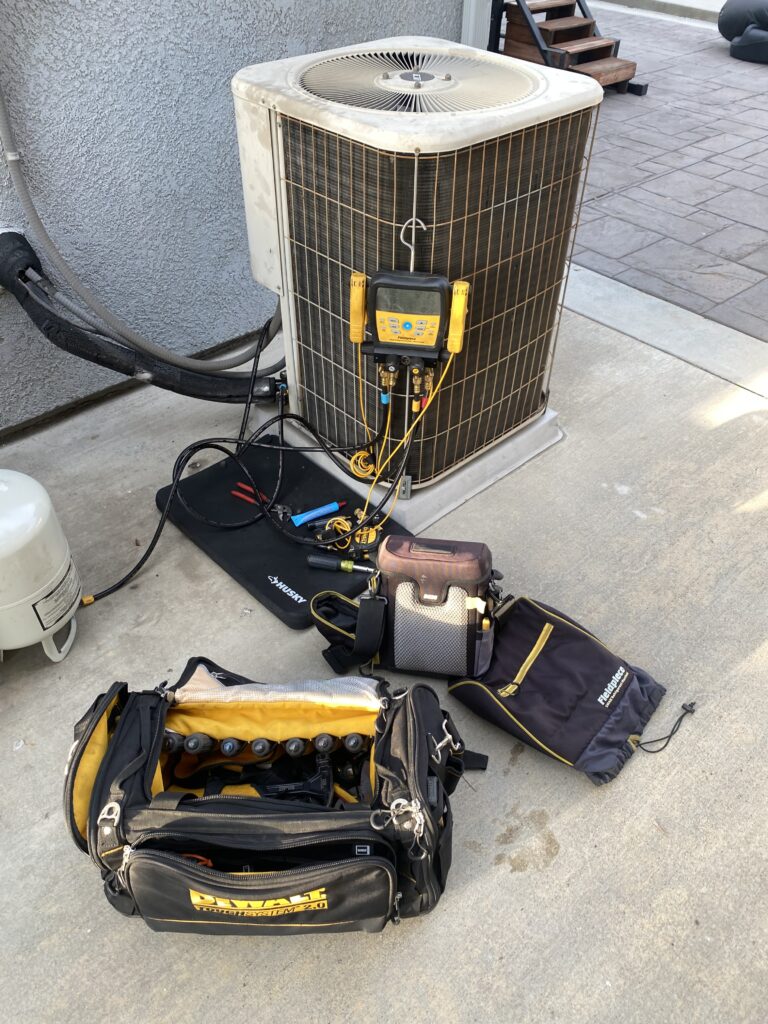
    HVAC maintenance is a comprehensive inspection, cleaning, and tune-up of your heating and cooling equipment. During a maintenance visit, a technician evaluates the performance of your system, identifies potential issues, and ensures all components are operating efficiently.

    A professional maintenance service may include:

    • Cleaning condenser and evaporator coils
    • Checking refrigerant levels
    • Inspecting electrical connections
    • Testing thermostat performance
    • Replacing or cleaning air filters
    • Lubricating moving components
    • Inspecting ductwork
    • Testing system safety controls

    These proactive steps help keep your system running smoothly throughout the year.

    ๐Ÿ’ฐ Lower Energy Bills Through Improved Efficiency

    One of the biggest benefits of regular HVAC maintenance is improved energy efficiency.

    Over time, dirt, dust, and debris accumulate throughout your system. Dirty coils, clogged filters, and worn components force your HVAC equipment to work harder to maintain indoor temperatures. This extra strain increases energy consumption and utility costs.

    Routine maintenance helps your system operate at peak performance, allowing it to cool and heat your home more efficiently. Many homeowners notice lower monthly energy bills after scheduling regular tune-ups.

    Signs Your System May Be Losing Efficiency

    • Rising utility costs
    • Uneven temperatures throughout your home
    • Longer heating or cooling cycles
    • Weak airflow from vents
    • Excessive humidity indoors

    If you notice any of these symptoms, a maintenance inspection may reveal the cause before it becomes a major repair.

    โ„๏ธ Prevent Unexpected HVAC Breakdowns

    Nobody wants their air conditioner to fail during a triple-digit Fontana heatwave.

    Many HVAC failures are caused by minor issues that go unnoticed until they become serious problems. During maintenance visits, technicians can identify worn parts, electrical issues, refrigerant leaks, and airflow restrictions before they cause a system shutdown.

    Preventative maintenance helps reduce the likelihood of:

    • Compressor failures
    • Frozen evaporator coils
    • Electrical malfunctions
    • Blower motor breakdowns
    • Refrigerant leaks
    • Thermostat problems

    Addressing small concerns early can save homeowners hundreds or even thousands of dollars in repair costs.

    ๐ŸŒฌ๏ธ Improve Indoor Air Quality

    Your HVAC system plays a major role in maintaining healthy indoor air.

    Dust, pollen, pet dander, mold spores, and other airborne contaminants circulate through your ductwork every day. Without regular maintenance, these particles can accumulate and affect your home’s air quality.

    Benefits of HVAC maintenance include:

    • Cleaner indoor air
    • Reduced allergens
    • Improved filtration performance
    • Better humidity control
    • Reduced dust buildup

    This is especially important for families with children, seniors, or individuals who suffer from allergies or respiratory conditions.

    ๐Ÿก Extend the Life of Your HVAC System

    Replacing an HVAC system is one of the largest investments homeowners make.

    Most heating and cooling systems are designed to last between 10 and 20 years depending on maintenance and usage. Neglected systems often fail years earlier than expected.

    Routine maintenance helps:

    • Reduce wear and tear
    • Protect critical components
    • Improve overall system performance
    • Extend equipment lifespan
    • Delay costly replacement expenses

    A well-maintained HVAC system often provides years of additional reliable service.

    ๐Ÿ”ฅ Protect Your Heating System During Winter

    While Fontana is known for warm temperatures, winter nights can become surprisingly cold.

    Furnaces and heat pumps need annual inspections to ensure they are operating safely and efficiently. During a heating tune-up, technicians inspect burners, heat exchangers, safety controls, and airflow components.

    Benefits of heating maintenance include:

    • Reliable winter comfort
    • Improved energy efficiency
    • Enhanced safety
    • Reduced repair needs
    • Longer equipment life

    Scheduling maintenance before the cold season helps ensure your system is ready when temperatures drop.

    โšก Maintain Manufacturer Warranty Coverage

    Many HVAC manufacturers require routine professional maintenance to maintain warranty coverage.

    If a major component fails and maintenance records cannot be provided, warranty claims may be denied.

    Regular service documentation demonstrates that your system has been properly maintained and helps protect your investment.

    ๐Ÿ› ๏ธ Why Choose West End Heating & Air?

    When it comes to protecting your comfort, experience matters.

    West End Heating & Air proudly serves Fontana and surrounding communities with professional heating and cooling solutions. Our team is committed to delivering honest recommendations, quality workmanship, and exceptional customer service. We offer NATE-certified expertise, financing options, and responsive support for residential HVAC needs.

    Whether you need seasonal maintenance, emergency repairs, or a complete system replacement, our technicians are here to help.

    ๐Ÿ“… When Should HVAC Maintenance Be Scheduled?

    For optimal performance, homeowners should schedule maintenance:

    Spring

    • Air conditioning inspection
    • Cooling system tune-up
    • Refrigerant check
    • Condenser cleaning

    Fall

    • Furnace inspection
    • Heating system tune-up
    • Safety testing
    • Airflow evaluation

    Biannual maintenance ensures your system is prepared for both cooling and heating seasons.

    ๐Ÿ“ž Schedule Your HVAC Maintenance Today

    Don’t wait until your system breaks down to give it the attention it deserves.

    Regular HVAC maintenance can improve efficiency, lower energy costs, enhance indoor air quality, and help you avoid unexpected repairs. Let the experts at West End Heating & Air keep your home comfortable all year long.

    Call 909.490.7957 today to schedule your HVAC maintenance service in Fontana and discover the benefits of proactive HVAC care.