Tag: AC maintenance Fontana

  • 🌑️ Best Thermostat Setting for 100-Degree Days in Fontana

    By West End Heating & Air | Fontana | 909.490.7957
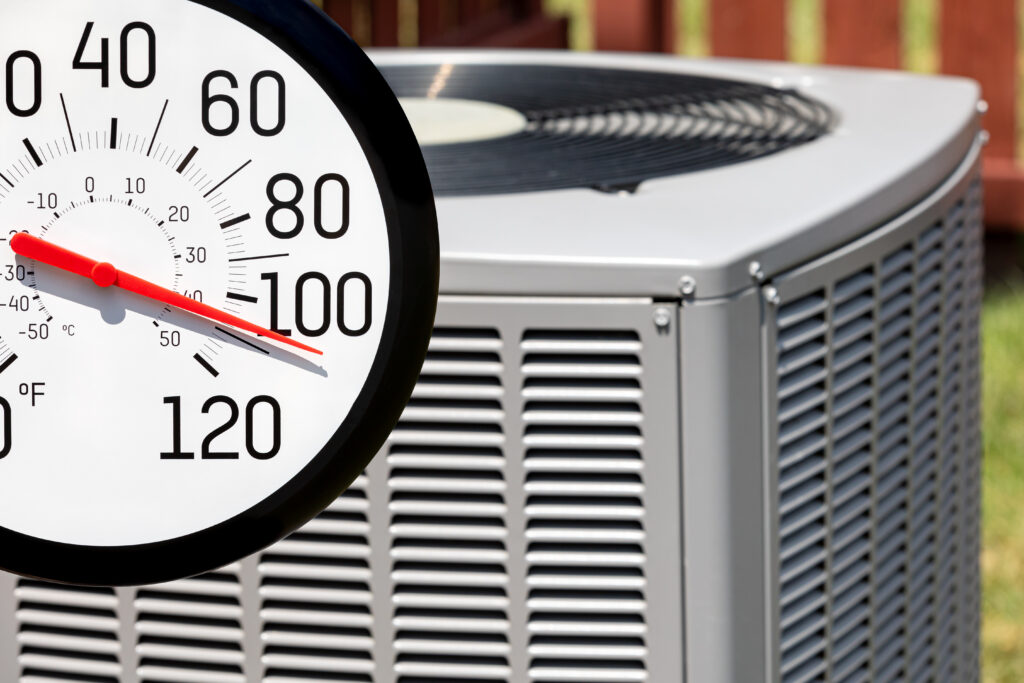
    Best Thermostat Setting for 100-Degree Days in Fontana

    When the temperature outside reaches 100 degrees or higher, your air conditioner has a big job to do. Many homeowners respond by turning the thermostat down to 68 or 70 degrees, hoping the house will cool faster. Unfortunately, that usually doesn’t work the way people expect. At West End Heating & Air, we help Fontana homeowners keep their homes comfortable while avoiding unnecessary strain on their cooling systems. If your AC can’t keep up during extreme heat or you’re concerned about high summer energy bills, call 909.490.7957 for professional HVAC service.

    β˜€οΈ What Temperature Should You Set Your Thermostat When It’s 100 Degrees Outside?

    For many households, 78Β°F is a good starting point when you’re home during hot summer weather.

    That doesn’t mean every homeowner has to keep the thermostat at exactly 78 degrees. Personal comfort, your home’s insulation, sun exposure, HVAC equipment, indoor humidity, and household needs can all influence the temperature that works best.

    Some homeowners may prefer 76 or 77 degrees, while others are comfortable at 79 or 80.

    The important point is to avoid assuming that setting the thermostat extremely low will make your air conditioner cool the house faster.

    Your thermostat tells the HVAC system what temperature you want. Setting it to 68 instead of 76 generally doesn’t make a standard air conditioner suddenly produce colder air. It simply tells the system to continue operating until the lower target temperature is reached.

    On a 100-degree Fontana afternoon, that could mean a very long cooling cycle.

    ❄️ Why 68 Degrees Can Be a Tough Target on a 100-Degree Day

    Think about the temperature difference your air conditioner is being asked to overcome.

    If it’s 100Β°F outside and your thermostat is set to 78Β°F, you’re asking your home and HVAC system to maintain a 22-degree difference.

    Set the thermostat to 68Β°F, and that difference becomes 32 degrees.

    Your home’s insulation, windows, doors, attic, ductwork, air leakage, and direct sunlight all affect how quickly outdoor heat enters the building.

    As the outdoor temperature climbs, heat continuously works its way into the home.

    That’s why extreme summer heat can lead to longer AC run times even when the equipment is operating normally.

    🏠 Is 78 Degrees Really the Best Setting?

    There isn’t one perfect thermostat temperature for every home or every person.

    However, 78Β°F has long been used as an energy-conscious summer benchmark when people are home.

    A practical approach is to start around 78 degrees and adjust gradually for comfort.

    If 78 feels too warm, try 77. If that’s still uncomfortable, try 76.

    Small adjustments are generally better than immediately dropping the thermostat several degrees.

    Ceiling fans can also make occupied rooms feel more comfortable by moving air across your skin. Remember that fans cool people rather than the actual room, so turn them off when nobody is using the space.

    πŸ”₯ What Happens to Your AC During a 100-Degree Fontana Afternoon?

    Air conditioners remove heat from inside your home and transfer it outdoors.

    When outdoor temperatures become extreme, that process becomes more demanding. At the same time, your home is continually gaining heat through the roof, walls, windows, doors, and air leaks.

    Your HVAC system may therefore operate for longer periods during the hottest portion of the afternoon.

    Longer operation isn’t automatically a sign that something is wrong.

    The bigger question is whether your system is maintaining reasonable indoor comfort.

    If the thermostat is set at 78 degrees and the indoor temperature continues climbing significantly despite the AC running, the system may deserve professional attention.

    πŸ“‰ Don’t Keep Lowering the Thermostat When Your AC Falls Behind

    Imagine your thermostat is set to 76Β°F, but the house has reached 80Β°F during an exceptionally hot afternoon.

    A common reaction is to lower the thermostat to 70.

    That won’t necessarily help.

    If your cooling system is already operating continuously, lowering the thermostat doesn’t magically increase its cooling capacity. Instead, you’re simply giving it a lower target that may be even harder to reach.

    If your AC consistently cannot maintain a reasonable thermostat setting, there could be another issue involved.

    Potential factors include restricted airflow, dirty HVAC components, duct problems, inadequate insulation, air leakage, equipment condition, or improper system sizing.

    A professional inspection can help determine whether you’re dealing with extreme weather conditions or an HVAC performance problem.

    ⏰ Should You Pre-Cool Your Home Before the Hottest Part of the Day?

    In some homes, modest pre-cooling can be useful.

    Instead of waiting until the house becomes uncomfortable in the late afternoon, a programmable or smart thermostat can adjust the temperature before outdoor conditions reach their hottest point.

    The goal isn’t to turn your home into a refrigerator in the morning.

    Rather, strategic scheduling can help you manage comfort throughout the day and avoid constantly making large manual thermostat adjustments.

    A smart thermostat can be particularly useful because it can automatically follow your schedule and adjust temperatures when you’re home, asleep, or away.

    πŸšͺ What Should You Set the Thermostat to When Nobody Is Home?

    If the house will be empty for several hours, you usually don’t need to maintain the same temperature you prefer while you’re home.

    Raising the thermostat several degrees can reduce unnecessary cooling.

    However, completely shutting the air conditioner off during extreme heat isn’t always the best approach. Indoor temperatures can rise considerably, especially in homes with significant sun exposure or limited insulation.

    Pets, plants, electronics, furnishings, medications, and other temperature-sensitive items may also affect how high you should allow the indoor temperature to climb.

    A programmable or smart thermostat can automatically increase the temperature after you leave and begin cooling the home before you return.

    πŸͺŸ Keep the Sun From Working Against Your Air Conditioner

    Your thermostat setting is only one part of summer comfort.

    Direct sunlight entering through windows can add considerable heat to a room. Closing blinds, curtains, or shades during the hottest portion of the day can help reduce solar heat entering your home.

    This is particularly important for windows receiving strong afternoon sun.

    You can also reduce unnecessary indoor heat by limiting the use of ovens and other heat-producing appliances during peak afternoon temperatures when practical.

    Every bit of heat you prevent from entering or being generated inside the house is heat your AC doesn’t have to remove.

    🌬️ Make Sure Your HVAC Filter Isn’t Restricting Airflow

    Your air conditioner needs adequate airflow to operate properly.

    A heavily loaded HVAC air filter can restrict airflow and contribute to cooling performance problems.

    During periods of heavy summer use, check the filter regularly and replace or clean it according to the equipment and filter manufacturer’s recommendations.

    How frequently a filter needs attention depends on several factors, including filter type, household conditions, pets, dust levels, and system usage.

    Don’t automatically assume a more restrictive filter is always better. Your HVAC system must be able to move the proper amount of air.

    🏚️ Insulation Can Make a Huge Difference During Extreme Heat

    If your air conditioner seems to run endlessly every time Fontana temperatures climb, the HVAC equipment may not be the only factor.

    Your home’s insulation and air sealing affect how quickly heat enters the conditioned space.

    Attics are especially important because roofs can absorb substantial solar heat throughout the day.

    Insufficient insulation or significant air leakage can make it much more difficult to maintain comfortable indoor temperatures.

    Older windows, deteriorated weatherstripping, leaky doors, and duct leakage can also contribute to unwanted heat gain.

    Improving the building envelope can reduce the cooling load your HVAC system must handle.

    ⚑ Why Your Electric Bill Climbs During 100-Degree Weather

    Your cooling system is one of the largest energy users in many homes.

    When outdoor temperatures remain extremely high, the AC may need to operate much longer to maintain your desired indoor temperature.

    Longer run times mean greater electricity consumption.

    Thermostat habits can make a difference.

    Trying to maintain extremely low indoor temperatures throughout a heat wave can substantially increase cooling demand. Finding the highest thermostat setting that still keeps your household comfortable can help reduce unnecessary AC operation.

    Smart thermostat scheduling can make that easier by automatically adjusting temperatures throughout the day.

    πŸ› οΈ When Is Constant AC Operation a Warning Sign?

    An air conditioner running frequently on a 100-degree afternoon isn’t automatically malfunctioning.

    But certain symptoms deserve attention.

    Call an HVAC professional if you notice warm air coming from the vents, unusually weak airflow, unusual noises, repeated short cycling, ice around HVAC components, water where it shouldn’t be, unusual odors, or indoor temperatures that continue rising despite extended AC operation.

    You should also schedule service if the system’s performance has noticeably declined compared with previous summers.

    A small performance problem that isn’t obvious during moderate weather can become much more noticeable once extreme heat puts the system under sustained demand.

    πŸ”§ Maintenance Matters Before the Next Heat Wave

    The worst time to discover an air-conditioning problem is in the middle of a 100-degree afternoon.

    Routine AC maintenance can help identify developing issues before the equipment is placed under maximum summer demand.

    Professional HVAC maintenance may include evaluating system operation, airflow, electrical components, temperature performance, condensate drainage, and other important equipment conditions.

    Maintenance cannot guarantee that an air conditioner will never experience a breakdown, but keeping the equipment properly serviced can help support dependable operation and efficiency.

    🌑️ Find the Thermostat Setting That Balances Comfort and Efficiency

    So, what’s the best thermostat setting for a 100-degree day?

    For many Fontana homeowners, around 78Β°F is a practical energy-conscious starting point while you’re home. From there, adjust gradually based on your comfort and the performance of your house.

    Avoid automatically setting the thermostat extremely low just because the outdoor temperature is extremely high.

    Instead, use ceiling fans in occupied rooms, block direct sunlight, maintain your HVAC filter, use thermostat scheduling, and pay attention to how your air conditioner is actually performing.

    Most importantly, don’t ignore a cooling system that suddenly struggles to keep up.

    If your AC can’t maintain comfortable temperatures during hot Fontana weather, West End Heating & Air can help determine whether your thermostat, airflow, maintenance, or cooling equipment needs attention. Call 909.490.7957 for professional HVAC service and get your system ready to handle the next 100-degree day.

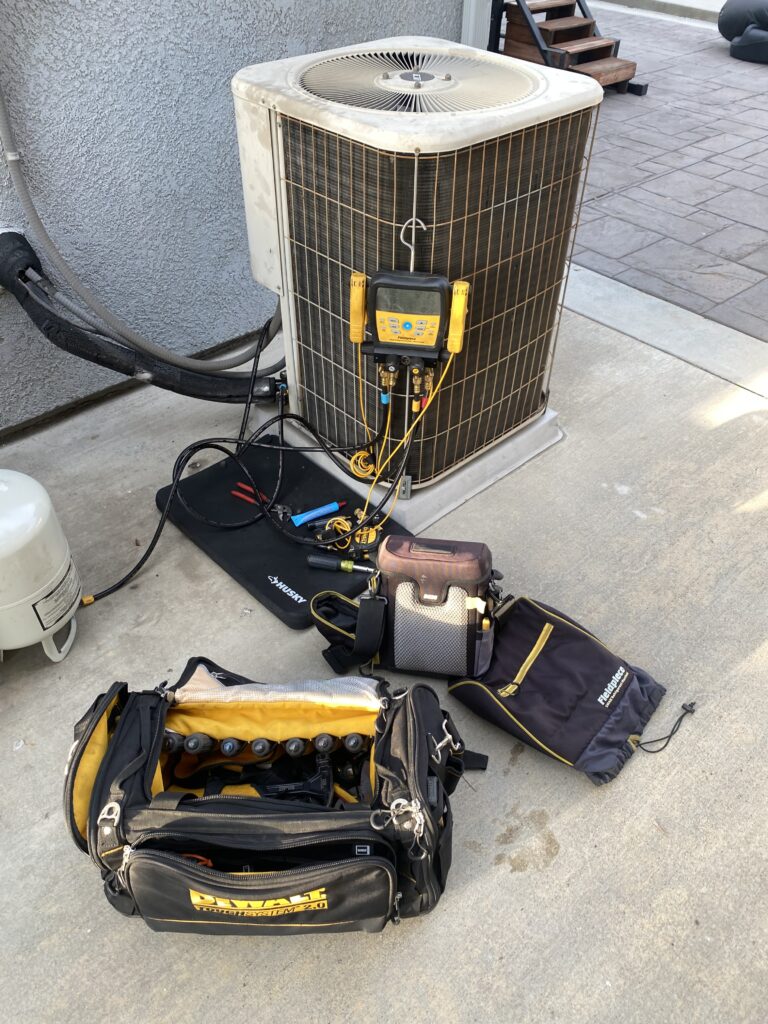
  • 🌬️ Top Signs Your Air Conditioner Needs Repair in Fontana Before Summer Hits

    By West End Heating & Air | Fontana | 909.490.7957

    op Signs Your Air Conditioner Needs Repair in Fontana Before Summer Hits

    As temperatures begin climbing across Fontana, homeowners rely heavily on their air conditioning systems to stay comfortable. The last thing anyone wants is for their AC unit to stop working during a triple-digit heatwave. Unfortunately, many cooling systems show warning signs long before they completely fail. Recognizing these early indicators can save you from expensive emergency repairs, higher energy bills, and uncomfortable indoor temperatures.

    At West End Heating & Air, we help homeowners throughout Fontana, the Inland Empire, and surrounding communities keep their cooling systems operating at peak performance. Our NATE-certified technicians provide professional AC repair, maintenance, and installation services designed to keep your home comfortable year-round.

    If you notice any of the following signs, it’s time to schedule a professional inspection before summer arrives.


    β˜€οΈ Why Early AC Repairs Matter

    Many homeowners wait until their air conditioner completely stops working before calling for service. Unfortunately, this often leads to larger repair bills and longer wait times during peak summer months.

    Routine maintenance and early repairs can help:

    βœ… Prevent unexpected breakdowns

    βœ… Improve system efficiency

    βœ… Lower monthly utility costs

    βœ… Extend equipment lifespan

    βœ… Improve indoor comfort

    Addressing small problems now often prevents major issues later.


    πŸ”Š Unusual Noises Coming From Your AC Unit

    A properly functioning air conditioner should operate relatively quietly. If you begin hearing strange sounds, your system may be warning you that something is wrong.

    Common noises include:

    • Grinding
    • Squealing
    • Banging
    • Rattling
    • Buzzing
    • Clicking

    These sounds may indicate worn bearings, loose components, motor problems, electrical issues, or debris inside the system.

    Ignoring unusual noises can lead to more extensive damage over time. If your AC suddenly sounds different than normal, it’s best to schedule a professional inspection immediately.


    🌑️ Weak Airflow Throughout Your Home

    When your air conditioner is running, you should feel strong, consistent airflow from every vent.

    If airflow seems weak, possible causes include:

    • Dirty air filters
    • Blocked ductwork
    • Failing blower motors
    • Damaged duct systems
    • Frozen evaporator coils

    Weak airflow forces your system to work harder, increasing energy consumption and reducing comfort.

    A professional technician can quickly identify the source of the problem and restore proper airflow throughout your home.


    πŸ’Έ Rising Energy Bills

    One of the earliest warning signs of HVAC trouble is a sudden increase in utility costs.

    If your cooling habits haven’t changed but your electric bill continues climbing, your system may be losing efficiency due to:

    • Dirty coils
    • Refrigerant leaks
    • Aging components
    • Airflow restrictions
    • Thermostat issues

    An inefficient air conditioner often runs longer than necessary to maintain desired temperatures.

    Regular maintenance and timely repairs can help restore efficiency and lower operating costs.


    ❄️ Warm Air Coming From Vents

    Nothing is more frustrating than turning on your AC only to feel warm air blowing through your vents.

    This issue may result from:

    • Low refrigerant levels
    • Compressor failure
    • Thermostat malfunctions
    • Electrical problems
    • Dirty condenser coils

    Even if your system is running continuously, warm air indicates your air conditioner is not effectively removing heat from your home.

    Prompt repairs can prevent additional strain on the system and restore cooling performance.


    πŸ’§ Water Leaks Around the Indoor Unit

    Air conditioners naturally produce condensation during operation. However, visible water around your indoor unit is often a sign of a problem.

    Common causes include:

    • Clogged condensate drain lines
    • Broken drain pans
    • Frozen evaporator coils
    • Excess moisture buildup

    Water leaks can lead to:

    • Property damage
    • Mold growth
    • Indoor air quality issues
    • Structural concerns

    If you notice moisture around your HVAC equipment, schedule service right away.


    🌬️ Uneven Cooling Between Rooms

    Do some rooms feel comfortable while others remain hot and stuffy?

    Uneven cooling can indicate:

    • Ductwork issues
    • Airflow restrictions
    • Improper system sizing
    • Thermostat problems
    • Aging HVAC equipment

    Many homeowners assume uneven temperatures are normal, but they often signal underlying HVAC issues that can be corrected.

    A professional evaluation can identify why certain rooms aren’t receiving adequate cooling.


    🧊 Frozen Evaporator Coils

    Many homeowners are surprised to learn that ice forming on an air conditioner is actually a sign of trouble.

    Frozen coils commonly occur because of:

    • Dirty filters
    • Refrigerant leaks
    • Airflow restrictions
    • Blower motor issues

    When coils freeze, your system loses its ability to cool efficiently and may eventually stop working altogether.

    If you notice ice buildup on refrigerant lines or indoor components, turn off the system and call for service.


    🏠 Excess Humidity Indoors

    Your air conditioner does more than cool your homeβ€”it also helps control humidity.

    If your home feels:

    • Sticky
    • Damp
    • Muggy

    Your AC system may not be operating correctly.

    Excess humidity can contribute to:

    • Mold growth
    • Poor indoor air quality
    • Increased discomfort
    • Higher cooling costs

    Proper HVAC maintenance helps ensure your system effectively removes moisture from indoor air.


    πŸ“… Your System Is More Than 10 Years Old

    Even well-maintained systems eventually begin showing signs of wear.

    Older units often experience:

    • Reduced efficiency
    • More frequent repairs
    • Increased energy consumption
    • Inconsistent cooling

    If your air conditioner is over a decade old and experiencing recurring issues, it may be time to discuss replacement options.

    Modern high-efficiency systems offer significant improvements in performance, comfort, and energy savings.


    πŸ”§ The Importance of Preventive Maintenance

    The best way to avoid costly repairs is through regular maintenance.

    Professional AC tune-ups typically include:

    • Cleaning condenser coils
    • Checking refrigerant levels
    • Inspecting electrical components
    • Testing thermostat performance
    • Cleaning drain lines
    • Replacing filters
    • Verifying airflow

    Preventive maintenance helps identify small issues before they become major repairs and keeps your system operating efficiently throughout the summer.


    🌟 Why Fontana Homeowners Trust West End Heating & Air

    When your cooling system needs attention, choosing the right HVAC contractor matters.

    West End Heating & Air proudly serves Fontana and surrounding communities with:

    βœ” Experienced NATE-certified technicians

    βœ” Honest recommendations

    βœ” Emergency HVAC services

    βœ” Financing options available

    βœ” Repairs on all major brands

    βœ” Residential and commercial HVAC solutions

    Our team is committed to helping homeowners stay comfortable year-round with reliable service and quality workmanship.


    πŸ“ž Schedule Your AC Repair Before Summer Arrives

    Don’t wait until your air conditioner fails during the hottest days of the year.

    If you’ve noticed strange noises, weak airflow, rising utility bills, or inconsistent cooling, let the experts at West End Heating & Air help.

    πŸ“ž Call 909.490.7957 today to schedule your AC inspection, repair, or maintenance appointment in Fontana.

    Our experienced technicians are ready to keep your home cool, comfortable, and energy-efficient all summer long.

  • 🏠 Why Regular HVAC Maintenance Is Essential for Fontana Homeowners

    By West End Heating & Air | Fontana | 909.490.7957

    Why Regular HVAC Maintenance Is Essential for Fontana Homeowners

    When temperatures soar during a Fontana summer or dip on chilly winter evenings, your heating and cooling system works hard to keep your family comfortable. Unfortunately, many homeowners don’t think about their HVAC system until it stops working. The truth is that routine maintenance is one of the most important investments you can make in your home’s comfort, efficiency, and indoor air quality.

    At West End Heating & Air, we help homeowners throughout Fontana and surrounding communities protect their HVAC systems with professional maintenance services designed to prevent costly breakdowns and extend equipment life. Our team offers expert service, NATE-certified technicians, financing options, and dependable support when you need it most.

    πŸ”§ What Is HVAC Maintenance?

    HVAC maintenance is a comprehensive inspection, cleaning, and tune-up of your heating and cooling equipment. During a maintenance visit, a technician evaluates the performance of your system, identifies potential issues, and ensures all components are operating efficiently.

    A professional maintenance service may include:

    • Cleaning condenser and evaporator coils
    • Checking refrigerant levels
    • Inspecting electrical connections
    • Testing thermostat performance
    • Replacing or cleaning air filters
    • Lubricating moving components
    • Inspecting ductwork
    • Testing system safety controls

    These proactive steps help keep your system running smoothly throughout the year.

    πŸ’° Lower Energy Bills Through Improved Efficiency

    One of the biggest benefits of regular HVAC maintenance is improved energy efficiency.

    Over time, dirt, dust, and debris accumulate throughout your system. Dirty coils, clogged filters, and worn components force your HVAC equipment to work harder to maintain indoor temperatures. This extra strain increases energy consumption and utility costs.

    Routine maintenance helps your system operate at peak performance, allowing it to cool and heat your home more efficiently. Many homeowners notice lower monthly energy bills after scheduling regular tune-ups.

    Signs Your System May Be Losing Efficiency

    • Rising utility costs
    • Uneven temperatures throughout your home
    • Longer heating or cooling cycles
    • Weak airflow from vents
    • Excessive humidity indoors

    If you notice any of these symptoms, a maintenance inspection may reveal the cause before it becomes a major repair.

    ❄️ Prevent Unexpected HVAC Breakdowns

    Nobody wants their air conditioner to fail during a triple-digit Fontana heatwave.

    Many HVAC failures are caused by minor issues that go unnoticed until they become serious problems. During maintenance visits, technicians can identify worn parts, electrical issues, refrigerant leaks, and airflow restrictions before they cause a system shutdown.

    Preventative maintenance helps reduce the likelihood of:

    • Compressor failures
    • Frozen evaporator coils
    • Electrical malfunctions
    • Blower motor breakdowns
    • Refrigerant leaks
    • Thermostat problems

    Addressing small concerns early can save homeowners hundreds or even thousands of dollars in repair costs.

    🌬️ Improve Indoor Air Quality

    Your HVAC system plays a major role in maintaining healthy indoor air.

    Dust, pollen, pet dander, mold spores, and other airborne contaminants circulate through your ductwork every day. Without regular maintenance, these particles can accumulate and affect your home’s air quality.

    Benefits of HVAC maintenance include:

    • Cleaner indoor air
    • Reduced allergens
    • Improved filtration performance
    • Better humidity control
    • Reduced dust buildup

    This is especially important for families with children, seniors, or individuals who suffer from allergies or respiratory conditions.

    🏑 Extend the Life of Your HVAC System

    Replacing an HVAC system is one of the largest investments homeowners make.

    Most heating and cooling systems are designed to last between 10 and 20 years depending on maintenance and usage. Neglected systems often fail years earlier than expected.

    Routine maintenance helps:

    • Reduce wear and tear
    • Protect critical components
    • Improve overall system performance
    • Extend equipment lifespan
    • Delay costly replacement expenses

    A well-maintained HVAC system often provides years of additional reliable service.

    πŸ”₯ Protect Your Heating System During Winter

    While Fontana is known for warm temperatures, winter nights can become surprisingly cold.

    Furnaces and heat pumps need annual inspections to ensure they are operating safely and efficiently. During a heating tune-up, technicians inspect burners, heat exchangers, safety controls, and airflow components.

    Benefits of heating maintenance include:

    • Reliable winter comfort
    • Improved energy efficiency
    • Enhanced safety
    • Reduced repair needs
    • Longer equipment life

    Scheduling maintenance before the cold season helps ensure your system is ready when temperatures drop.

    ⚑ Maintain Manufacturer Warranty Coverage

    Many HVAC manufacturers require routine professional maintenance to maintain warranty coverage.

    If a major component fails and maintenance records cannot be provided, warranty claims may be denied.

    Regular service documentation demonstrates that your system has been properly maintained and helps protect your investment.

    πŸ› οΈ Why Choose West End Heating & Air?

    When it comes to protecting your comfort, experience matters.

    West End Heating & Air proudly serves Fontana and surrounding communities with professional heating and cooling solutions. Our team is committed to delivering honest recommendations, quality workmanship, and exceptional customer service. We offer NATE-certified expertise, financing options, and responsive support for residential HVAC needs.

    Whether you need seasonal maintenance, emergency repairs, or a complete system replacement, our technicians are here to help.

    πŸ“… When Should HVAC Maintenance Be Scheduled?

    For optimal performance, homeowners should schedule maintenance:

    Spring

    • Air conditioning inspection
    • Cooling system tune-up
    • Refrigerant check
    • Condenser cleaning

    Fall

    • Furnace inspection
    • Heating system tune-up
    • Safety testing
    • Airflow evaluation

    Biannual maintenance ensures your system is prepared for both cooling and heating seasons.

    πŸ“ž Schedule Your HVAC Maintenance Today

    Don’t wait until your system breaks down to give it the attention it deserves.

    Regular HVAC maintenance can improve efficiency, lower energy costs, enhance indoor air quality, and help you avoid unexpected repairs. Let the experts at West End Heating & Air keep your home comfortable all year long.

    Call 909.490.7957 today to schedule your HVAC maintenance service in Fontana and discover the benefits of proactive HVAC care.