Tag: AC running but not cooling

  • ๐Ÿ”ฅ Why Is My AC Running Constantly During a Heat Wave?

    By West End Heating & Air | Fontana | 909.490.7957
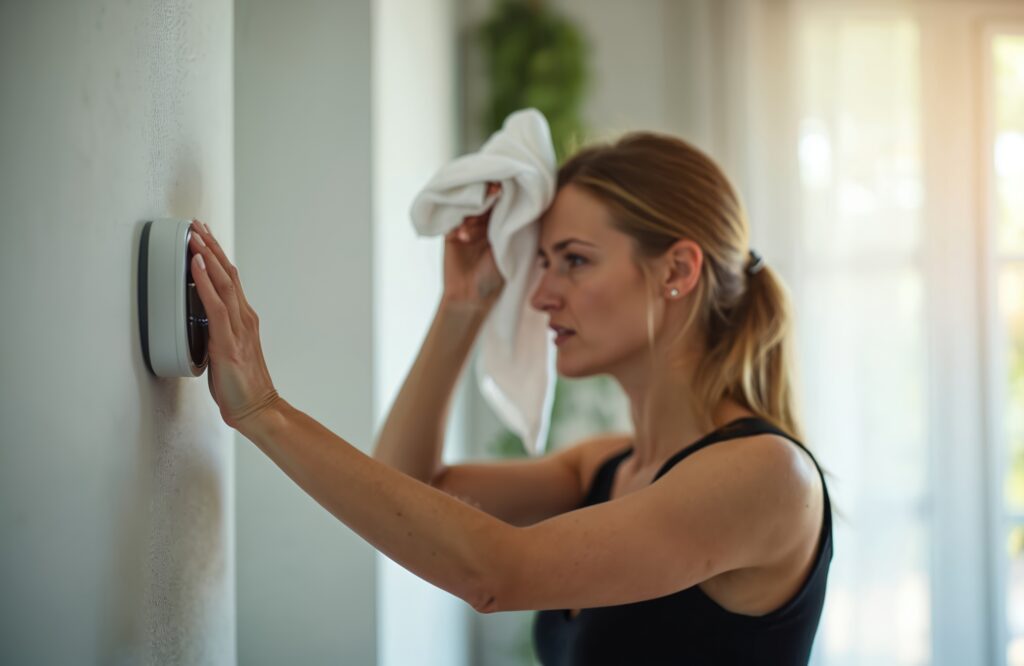
    Why Is My AC Running Constantly During a Heat Wave?

    When temperatures in Fontana climb toward 100 degrees or higher, it’s normal for your air conditioner to work harder and run longer. But if your AC is running constantly and your home still isn’t getting comfortable, you may be wondering whether something is wrong. At West End Heating & Air, we help Fontana homeowners determine whether long AC cycles are simply the result of extreme heat or a sign that the cooling system needs attention. If your air conditioner won’t shut off, isn’t keeping up, or seems to be struggling, call 909.490.7957 for professional HVAC service.

    ๐ŸŒก๏ธ Is It Normal for an AC to Run Constantly When It’s 100 Degrees?

    Sometimes, yes.

    During extremely hot weather, your air conditioner may run for much longer periods than it does on a typical summer day. That’s because heat is constantly entering your home through the roof, walls, windows, doors, and air leaks.

    Your cooling system has to remove that heat while simultaneously dealing with new heat entering the house.

    On a 100-degree afternoon, an air conditioner may operate for extended periods to maintain your thermostat setting. Longer cooling cycles alone don’t necessarily indicate an equipment failure.

    The important question is whether the system is actually keeping your home reasonably comfortable.

    If your AC runs almost continuously but maintains the thermostat setting, it may simply be responding to extreme outdoor conditions.

    If the AC runs constantly but doesn’t cool the house, that’s a different situation.

    โ„๏ธ Why Is My AC Running but Not Reaching the Thermostat Setting?

    Suppose your thermostat is set to 77 degrees, but the indoor temperature has climbed to 82 degrees while the AC continues running.

    There are several possible explanations.

    The outdoor temperature may simply be extreme, particularly during the hottest part of the afternoon. But a growing difference between your thermostat setting and actual indoor temperature can also indicate that your cooling system isn’t performing as effectively as it should.

    Potential causes include restricted airflow, dirty HVAC components, duct leakage, equipment problems, inadequate insulation, air leaks, thermostat issues, or an improperly sized air-conditioning system.

    Instead of continuing to lower the thermostat, pay attention to how the system is behaving.

    If the indoor temperature keeps climbing while your AC runs continuously, professional troubleshooting may be appropriate.

    ๐ŸŒฌ๏ธ A Dirty Air Filter Could Be Restricting Airflow

    One of the first things homeowners can check is the HVAC air filter.

    Your air conditioner needs adequate airflow to operate properly. As a filter collects dust and debris, airflow through the system can become restricted if the filter becomes excessively loaded.

    Reduced airflow can affect cooling performance and may contribute to longer operating times.

    Check your filter periodically, especially during periods of heavy summer use. Replace or clean it according to the filter and equipment manufacturer’s recommendations.

    If you replace a dirty filter but the system still isn’t cooling properly, don’t assume the problem has been solved. There may be another issue requiring professional diagnosis.

    โ˜€๏ธ Your Home May Be Gaining Heat Faster Than Your AC Can Remove It

    Your air conditioner isn’t working in isolation.

    The construction and condition of your home have a major influence on cooling performance.

    During a Fontana heat wave, solar energy can heat the roof, attic, walls, and windows for hours. That heat gradually makes its way into your living space.

    Poor attic insulation, deteriorated weatherstripping, air leaks, inefficient windows, and inadequate sealing can increase the amount of heat entering your home.

    West-facing windows can be particularly noticeable during late-afternoon heat.

    Closing blinds or curtains during periods of direct sunlight can help reduce solar heat gain. Improving insulation and air sealing may also reduce the amount of work your cooling system must perform.

    ๐ŸŒก๏ธ Your Thermostat Setting May Be Too Aggressive

    If it’s 102 degrees outside and you’re asking your air conditioner to maintain 68 degrees inside, you’re demanding a very large temperature difference.

    Your AC doesn’t necessarily cool faster because you lower the thermostat.

    If the system is already operating, changing the thermostat from 76 to 68 generally tells it to keep running toward a lower target. It doesn’t suddenly multiply the system’s cooling capacity.

    During extreme heat, try to maintain a reasonable thermostat setting rather than repeatedly lowering it.

    For many households, around 78 degrees can serve as an energy-conscious starting point when people are home, with adjustments based on individual comfort and household needs.

    Using ceiling fans in occupied rooms may also help you feel more comfortable without dramatically lowering the thermostat.

    ๐ŸงŠ Could a Frozen Evaporator Coil Be the Problem?

    An air conditioner working continuously doesn’t always mean it’s successfully cooling.

    Under certain conditions, the evaporator coil can become too cold and ice may develop.

    Airflow problems and other system conditions can contribute to coil icing. Once significant ice develops, cooling performance can decline substantially.

    You might notice weak airflow from the vents, reduced cooling, visible ice on accessible HVAC components, or water after the ice begins melting.

    If you suspect your system is frozen, don’t try to chip or scrape ice away.

    Turn the cooling system off and contact an HVAC professional for proper diagnosis. The underlying cause needs to be identified rather than simply allowing the ice to melt and restarting the equipment.

    ๐Ÿ”ง Dirty HVAC Components Can Reduce Cooling Performance

    Your air-conditioning system depends on heat transfer.

    The indoor evaporator coil absorbs heat, while the outdoor condenser helps release that heat outside.

    When important HVAC components become excessively dirty or obstructed, the system may have more difficulty transferring heat effectively.

    The result can be longer AC run times and reduced cooling performance.

    Keep the area around your outdoor unit reasonably clear of leaves, debris, vegetation, and other obstructions. Avoid covering or blocking the equipment while it is operating.

    Internal cleaning and service should generally be handled by a trained HVAC technician who can inspect the system safely and determine whether cleaning or repairs are necessary.

    ๐Ÿš๏ธ Leaky Ductwork Can Waste Cooled Air

    Your air conditioner may be producing cool air perfectly wellโ€”but that doesn’t necessarily mean all of it is reaching your rooms.

    Leaks or disconnected sections in the HVAC duct system can allow conditioned air to escape before it reaches the intended living spaces.

    Depending on where the ducts are located, that cooled air could be lost into an attic, crawlspace, garage, or another unconditioned area.

    Common signs of possible duct or airflow problems include rooms that are consistently hotter than others, weak airflow from certain vents, and an HVAC system that seems to run excessively.

    Professional evaluation can help determine whether ductwork is contributing to uneven temperatures or cooling loss.

    ๐Ÿ“ What If Your Air Conditioner Is Too Small?

    Proper equipment sizing matters.

    An undersized air conditioner may struggle to remove heat as quickly as it enters the home during extreme weather. This can result in very long operating cycles and difficulty reaching the thermostat setting.

    However, homeowners shouldn’t automatically assume they need a larger air conditioner.

    Oversized equipment can create its own problems, including short cycling and inadequate moisture removal.

    Proper HVAC sizing should consider the characteristics of the home rather than relying on square footage alone.

    If your system has always struggled during hot weather, professional load calculations and equipment evaluation can provide useful information when replacement eventually becomes necessary.

    โš ๏ธ Low Refrigerant Is Not Something to Ignore

    Refrigerant plays an essential role in the cooling process.

    If the system doesn’t have the proper refrigerant charge, cooling performance can suffer. In some situations, a refrigerant problem can contribute to long operating times and difficulty maintaining indoor temperatures.

    Refrigerant isn’t something homeowners should attempt to diagnose or add themselves.

    If refrigerant is low, a qualified technician should determine why.

    Simply adding refrigerant without investigating the underlying condition may not address the actual problem.

    ๐ŸŒ€ Why Short Cycling Is Different From Running Constantly

    Constant operation and short cycling are two different problems.

    When an AC runs continuously, it stays on for unusually long periods.

    AC short cycling occurs when the system repeatedly starts and stops after relatively brief operating periods.

    Both behaviors can indicate that the system deserves attention, although the possible causes are different.

    Short cycling may increase wear on equipment because starting is a demanding part of HVAC operation. If your air conditioner is turning on and off repeatedly every few minutes, schedule professional service rather than assuming that behavior is normal.

    ๐Ÿ’ก Could the Thermostat Be Causing the Problem?

    Sometimes the issue isn’t the air conditioner itself.

    A thermostat that isn’t operating correctly can potentially cause unusual HVAC behavior.

    Thermostat placement also matters. A thermostat exposed to direct sunlight, unusual heat sources, or conditions that aren’t representative of the rest of the home may affect how the system operates.

    Check that your thermostat is set to COOL and that the desired temperature is appropriate.

    Also check the fan setting.

    For most conventional residential cooling situations, setting the fan to AUTO allows the blower to operate with cooling cycles. Leaving the fan set to ON means the blower may continue operating even when the outdoor cooling equipment isn’t actively cooling.

    That can make it seem like your AC is running continuously when you’re actually hearing the indoor fan.

    ๐Ÿ’ฐ Constant AC Operation Can Show Up on Your Electric Bill

    Longer cooling cycles generally mean more electricity consumption.

    During a heat wave, some increase in energy use is expected. But a dramatic change in your electric bill combined with declining cooling performance may be worth investigating.

    An HVAC system that is struggling because of restricted airflow, equipment problems, or other issues may operate longer while delivering less comfort.

    That’s why HVAC efficiency isn’t simply about buying high-efficiency equipment.

    Maintenance, airflow, thermostat habits, duct condition, insulation, and the overall condition of the system all play roles in real-world energy use.

    ๐Ÿ› ๏ธ When Should You Call for AC Repair?

    A system running longer during extreme heat isn’t automatically an emergency.

    However, you should consider professional AC repair when you notice additional warning signs.

    These can include warm air from the vents, weak airflow, unusual noises, burning or unusual odors, water around the equipment, ice formation, repeated short cycling, unexpected shutdowns, or an indoor temperature that continues climbing despite continuous cooling operation.

    A noticeable decline compared with previous summers can also be important.

    If the system maintained your home comfortably during similar weather in the past but suddenly can’t keep up, something may have changed.

    ๐Ÿ” Preventive Maintenance Can Help Before Extreme Heat Arrives

    You don’t have to wait for your AC to stop working before having it inspected.

    Routine air-conditioning maintenance gives an HVAC technician an opportunity to evaluate system performance and identify developing issues.

    Maintenance may include checking airflow, inspecting components, evaluating electrical connections, checking condensate drainage, and assessing overall cooling operation.

    Preventive service is especially valuable before periods of sustained extreme heat, when your cooling system is likely to experience its greatest workload.

    โœ… Running Constantly or Struggling? Know the Difference

    If it’s 100 degrees outside and your air conditioner runs for long periods while maintaining a comfortable indoor temperature, the system may simply be doing its job.

    If it runs continuously while the indoor temperature keeps climbing, however, don’t ignore the problem.

    Check the thermostat and filter, reduce unnecessary heat entering the home, and pay attention to airflow and other warning signs.

    If the problem continues, professional diagnosis can determine whether your system needs maintenance, repair, airflow correction, or another solution.

    When your AC is running constantly during a Fontana heat wave, West End Heating & Air is ready to help. Call 909.490.7957 for professional HVAC troubleshooting, maintenance, and repair. Don’t wait until your cooling system stops completely on the hottest day of the year.

  • โ„๏ธ Why Is My AC Running but Not Cooling My Fontana Home?

    By West End Heating & Air | Fontana | 909.490.7957

    Why Is My AC Running but Not Cooling My Fontana Home?

    Few things are more frustrating than hearing your air conditioner run continuously while your home remains hot and uncomfortable. The system sounds like it is working, air may even be coming from the vents, but the indoor temperature refuses to drop.

    If your AC is running but not cooling, the problem could be as simple as an incorrect thermostat setting or as serious as a failed compressor. Because Fontana summers can place heavy demands on residential cooling systems, seemingly minor problems can quickly become expensive breakdowns.

    Understanding the most common causes can help you decide whether there is a safe troubleshooting step you can perform or whether it is time to call West End Heating & Air at 909.490.7957 for professional AC repair in Fontana.

    ๐ŸŒก๏ธ Start by Checking Your Thermostat

    Before assuming that your air conditioner has a major mechanical problem, inspect the thermostat. An incorrect setting can make the HVAC system run without providing the cooling you expect.

    Confirm that the thermostat is:

    • Set to COOL, not HEAT or FAN
    • Set several degrees below the current indoor temperature
    • Displaying the correct room temperature
    • Equipped with working batteries, if applicable
    • Following the intended schedule

    When the thermostat fan is set to ON, the blower may run continuouslyโ€”even when the air conditioner is not actively cooling. This can make it seem as though the AC is operating but producing warm air.

    Set the fan to AUTO so it runs only during an active cooling cycle. Wait a few minutes to see whether cool air begins coming from the vents.

    If the thermostat settings are correct but your Fontana home is still uncomfortable, the issue is likely elsewhere in the system.

    ๐Ÿงผ A Dirty Air Filter May Be Restricting Airflow

    A clogged filter is one of the most common reasons for an air conditioner running without cooling properly. The filter captures dust, hair, pollen, and other airborne particles before they can circulate through your home or accumulate inside the HVAC equipment.

    As debris builds up, the filter becomes increasingly restrictive. Your blower must work harder to pull air through the system, and less conditioned air reaches the rooms in your home.

    Poor airflow can cause:

    • Weak airflow from the supply vents
    • Long or continuous cooling cycles
    • Uneven indoor temperatures
    • Increased electricity consumption
    • Ice forming on the evaporator coil
    • Premature wear on HVAC components

    Inspect the filter and replace it if it appears gray, dusty, or clogged. Many standard filters should be checked monthly and replaced every one to three months. Homes with pets, allergies, construction dust, or frequent HVAC use may require more frequent replacement.

    Installing a clean filter may improve airflow, but it will not instantly thaw a frozen coil or correct damage caused by prolonged airflow restriction. If cooling does not return, call West End Heating & Air at 909.490.7957.

    ๐ŸงŠ Your Evaporator Coil Could Be Frozen

    The indoor evaporator coil absorbs heat from the air passing through your HVAC system. When airflow becomes restricted or the system develops a refrigerant-related problem, the coil can become excessively cold. Moisture then freezes on its surface, creating a layer of ice that prevents effective heat transfer.

    Signs of a frozen AC coil include:

    • Ice on the refrigerant line or indoor equipment
    • Warm or barely cool air from the vents
    • Weak airflow
    • Water collecting near the indoor unit
    • An air conditioner that runs for unusually long periods

    If you see ice, turn off the cooling function to help prevent compressor damage. You may set the thermostat fan to ON to circulate room-temperature air across the coil, but thawing can take several hours.

    Do not scrape, chip, or force ice from the equipment. The coil and refrigerant lines can be damaged easily.

    A frozen coil is usually a symptom of another problem, not the original cause. Restricted airflow, a dirty coil, a blower malfunction, or low refrigerant may be responsible. A trained technician should identify and correct the underlying condition before the system resumes normal operation.

    ๐Ÿ’จ Low Refrigerant Can Reduce Cooling Performance

    Refrigerant moves heat from inside your home to the outdoor environment. Contrary to a common misconception, a properly sealed air conditioner should not routinely โ€œuse upโ€ its refrigerant.

    If the refrigerant level is low, there is often a leak somewhere in the system.

    Possible signs of low AC refrigerant include:

    • The AC runs but does not cool the home
    • Cooling cycles become increasingly long
    • The system struggles during hotter parts of the day
    • Ice develops on the evaporator coil or refrigerant line
    • You hear bubbling or hissing near the equipment
    • Energy bills increase without an obvious explanation

    Refrigerant handling is not a do-it-yourself repair. The leak should be located and the condition of the system evaluated before refrigerant is added. Simply recharging a leaking system may provide only temporary relief.

    West End Heating & Air can inspect your equipment, explain the available repair options, and help determine the right solution for your home.

    ๐ŸŒฟ The Outdoor Condenser May Be Dirty or Blocked

    Once refrigerant absorbs heat from your indoor air, that heat must be released through the outdoor condenser unit. If the condenser cannot move air freely, your AC may run continuously while providing little cooling.

    Common obstructions include:

    • Leaves and grass clippings
    • Dirt and dust
    • Weeds or overgrown shrubs
    • Outdoor furniture or stored items
    • Debris trapped against the condenser coil

    Turn off power to the equipment before visually inspecting the area. Remove loose debris surrounding the unit and maintain adequate open space around it.

    Avoid bending the delicate metal fins or spraying electrical components. A condenser coil coated with stubborn dirt usually needs professional cleaning. Proper cleaning improves heat transfer without damaging the coil or forcing debris deeper into the equipment.

    โšก The Outdoor Unit May Not Be Running

    Your indoor blower and outdoor condenser perform different functions. The blower can continue circulating air even when the outdoor equipment has stopped operating. When this occurs, air comes through the vents but is not properly cooled.

    From a safe distance, check whether the outdoor unit is operating during a cooling cycle. You may notice that:

    • The condenser fan is not spinning
    • The outdoor unit is silent
    • The unit starts and quickly stops
    • The system makes a humming or clicking sound
    • Warm air continues coming from the indoor vents

    The cause could be a tripped breaker, failed capacitor, contactor problem, damaged fan motor, wiring issue, or compressor malfunction.

    You may check your electrical panel for a tripped breaker. If it has tripped, reset it only once. If it trips again, leave it off and schedule service. Repeatedly resetting a breaker can create a safety risk and may result in further equipment damage.

    ๐Ÿšช Closed Vents and Duct Problems Can Affect Comfort

    Closing supply vents may seem like a useful way to redirect cool air, but it can increase pressure within the duct system and reduce HVAC performance. Make sure supply vents and return-air grilles are open and unobstructed.

    Furniture, rugs, boxes, and curtains can interfere with airflow even when a vent appears open.

    Problems hidden inside the ductwork can also cause cooling loss. Disconnected, crushed, poorly insulated, or leaking ducts may allow conditioned air to escape before it reaches your living spaces.

    Possible signs of ductwork problems include:

    • Certain rooms remain warmer than others
    • Airflow is noticeably weak at specific vents
    • Energy bills are unusually high
    • Dust accumulates quickly around the home
    • The attic or another unconditioned area feels unexpectedly cool
    • You hear rattling or whistling from the ducts

    A professional inspection can determine whether the cooling problem originates in the AC equipment, the duct system, or both.

    โ˜€๏ธ Extreme Heat Can Expose an Undersized or Aging AC

    Air conditioners have practical operating limits. During intense Fontana heat, a properly functioning system may run longer than usual. However, it should still make meaningful progress toward the thermostat setting and control indoor humidity.

    If your air conditioner has always struggled to cool the home, it may be incorrectly sized, poorly installed, or operating alongside inadequate insulation and air sealing.

    If the problem is new, age and wear may be affecting performance. Components lose efficiency over time, coils become dirty, motors weaken, and electrical parts deteriorate.

    Common warning signs of an aging system include:

    • Frequent repairs
    • Rising utility costs
    • Excessive noise
    • Hot and cold spots
    • Short cycling or continuous operation
    • Difficulty maintaining a comfortable temperature
    • An air conditioner approaching or exceeding its expected service life

    Replacement is not automatically necessary when an older system develops a problem. A professional diagnostic visit can clarify whether repair remains practical or whether a new high-efficiency system would provide better long-term value.

    ๐Ÿ”ง Could the Compressor Be the Problem?

    The compressor is central to the refrigeration process. It circulates refrigerant between the indoor and outdoor coils so heat can be removed from your home.

    When a compressor becomes weak, overheats, or fails, the blower may continue running while the system produces little or no cooling.

    Compressor problems should be diagnosed carefully because other failures can create similar symptoms. A faulty capacitor, electrical problem, incorrect refrigerant charge, or restricted coil can prevent the compressor from operating correctly.

    Because compressor work involves high-voltage electricity and a pressurized refrigerant circuit, it must be handled by a qualified HVAC professional.

    ๐Ÿ›‘ When Should You Turn Off the Air Conditioner?

    Continuing to run a malfunctioning AC can sometimes make the problem worse. Turn off the cooling function and request professional help if you notice:

    • Ice on the coil or refrigerant lines
    • Burning odors
    • Repeated breaker trips
    • Grinding, buzzing, or severe rattling
    • Water leaking around electrical components
    • The outdoor fan is stopped while the system hums
    • The AC runs continuously without lowering the temperature

    Prompt service can help protect expensive components and reduce the chance of a complete cooling failure during hot weather.

    โœ… What Can You Safely Check Before Calling?

    Homeowners can perform several basic checks without opening equipment panels or handling electrical parts:

    1. Confirm that the thermostat is set to COOL.
    2. Lower the temperature setting by several degrees.
    3. Set the thermostat fan to AUTO.
    4. Inspect and replace a dirty air filter.
    5. Open all supply vents and return grilles.
    6. Remove items blocking indoor vents.
    7. Clear loose debris from around the outdoor condenser.
    8. Check whether the outdoor unit is operating.
    9. Look for visible ice or water near the indoor unit.
    10. Check the electrical panel for a tripped breaker.

    If these steps do not restore cooling, further troubleshooting should be left to a professional. Guessing at the cause or repeatedly restarting the equipment may add damage without solving the original problem.

    ๐Ÿ“ž Schedule AC Repair in Fontana Today

    When your AC is running but not cooling your Fontana home, you should not have to settle for warm rooms, sleepless nights, and an air conditioner that wastes electricity.

    West End Heating & Air can diagnose airflow restrictions, frozen coils, refrigerant issues, electrical failures, thermostat problems, dirty condensers, and other common cooling-system concerns. Once the cause is identified, you can receive clear guidance about the appropriate repair.

    Call West End Heating & Air at 909.490.7957 to schedule dependable air conditioning service in Fontana. Addressing the issue early may help prevent additional damage, restore comfort faster, and protect the performance of your HVAC system.