Tag: air conditioning Fontana

  • 🌡️ Best Thermostat Setting for 100-Degree Days in Fontana

    By West End Heating & Air | Fontana | 909.490.7957
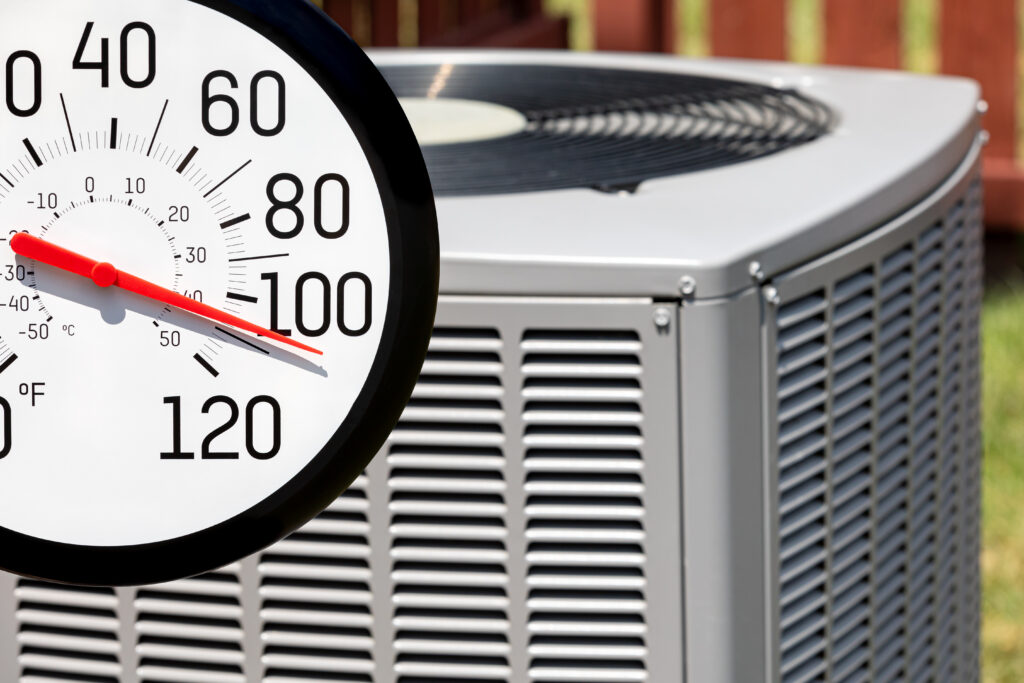
    Best Thermostat Setting for 100-Degree Days in Fontana

    When the temperature outside reaches 100 degrees or higher, your air conditioner has a big job to do. Many homeowners respond by turning the thermostat down to 68 or 70 degrees, hoping the house will cool faster. Unfortunately, that usually doesn’t work the way people expect. At West End Heating & Air, we help Fontana homeowners keep their homes comfortable while avoiding unnecessary strain on their cooling systems. If your AC can’t keep up during extreme heat or you’re concerned about high summer energy bills, call 909.490.7957 for professional HVAC service.

    ☀️ What Temperature Should You Set Your Thermostat When It’s 100 Degrees Outside?

    For many households, 78°F is a good starting point when you’re home during hot summer weather.

    That doesn’t mean every homeowner has to keep the thermostat at exactly 78 degrees. Personal comfort, your home’s insulation, sun exposure, HVAC equipment, indoor humidity, and household needs can all influence the temperature that works best.

    Some homeowners may prefer 76 or 77 degrees, while others are comfortable at 79 or 80.

    The important point is to avoid assuming that setting the thermostat extremely low will make your air conditioner cool the house faster.

    Your thermostat tells the HVAC system what temperature you want. Setting it to 68 instead of 76 generally doesn’t make a standard air conditioner suddenly produce colder air. It simply tells the system to continue operating until the lower target temperature is reached.

    On a 100-degree Fontana afternoon, that could mean a very long cooling cycle.

    ❄️ Why 68 Degrees Can Be a Tough Target on a 100-Degree Day

    Think about the temperature difference your air conditioner is being asked to overcome.

    If it’s 100°F outside and your thermostat is set to 78°F, you’re asking your home and HVAC system to maintain a 22-degree difference.

    Set the thermostat to 68°F, and that difference becomes 32 degrees.

    Your home’s insulation, windows, doors, attic, ductwork, air leakage, and direct sunlight all affect how quickly outdoor heat enters the building.

    As the outdoor temperature climbs, heat continuously works its way into the home.

    That’s why extreme summer heat can lead to longer AC run times even when the equipment is operating normally.

    🏠 Is 78 Degrees Really the Best Setting?

    There isn’t one perfect thermostat temperature for every home or every person.

    However, 78°F has long been used as an energy-conscious summer benchmark when people are home.

    A practical approach is to start around 78 degrees and adjust gradually for comfort.

    If 78 feels too warm, try 77. If that’s still uncomfortable, try 76.

    Small adjustments are generally better than immediately dropping the thermostat several degrees.

    Ceiling fans can also make occupied rooms feel more comfortable by moving air across your skin. Remember that fans cool people rather than the actual room, so turn them off when nobody is using the space.

    🔥 What Happens to Your AC During a 100-Degree Fontana Afternoon?

    Air conditioners remove heat from inside your home and transfer it outdoors.

    When outdoor temperatures become extreme, that process becomes more demanding. At the same time, your home is continually gaining heat through the roof, walls, windows, doors, and air leaks.

    Your HVAC system may therefore operate for longer periods during the hottest portion of the afternoon.

    Longer operation isn’t automatically a sign that something is wrong.

    The bigger question is whether your system is maintaining reasonable indoor comfort.

    If the thermostat is set at 78 degrees and the indoor temperature continues climbing significantly despite the AC running, the system may deserve professional attention.

    📉 Don’t Keep Lowering the Thermostat When Your AC Falls Behind

    Imagine your thermostat is set to 76°F, but the house has reached 80°F during an exceptionally hot afternoon.

    A common reaction is to lower the thermostat to 70.

    That won’t necessarily help.

    If your cooling system is already operating continuously, lowering the thermostat doesn’t magically increase its cooling capacity. Instead, you’re simply giving it a lower target that may be even harder to reach.

    If your AC consistently cannot maintain a reasonable thermostat setting, there could be another issue involved.

    Potential factors include restricted airflow, dirty HVAC components, duct problems, inadequate insulation, air leakage, equipment condition, or improper system sizing.

    A professional inspection can help determine whether you’re dealing with extreme weather conditions or an HVAC performance problem.

    ⏰ Should You Pre-Cool Your Home Before the Hottest Part of the Day?

    In some homes, modest pre-cooling can be useful.

    Instead of waiting until the house becomes uncomfortable in the late afternoon, a programmable or smart thermostat can adjust the temperature before outdoor conditions reach their hottest point.

    The goal isn’t to turn your home into a refrigerator in the morning.

    Rather, strategic scheduling can help you manage comfort throughout the day and avoid constantly making large manual thermostat adjustments.

    A smart thermostat can be particularly useful because it can automatically follow your schedule and adjust temperatures when you’re home, asleep, or away.

    🚪 What Should You Set the Thermostat to When Nobody Is Home?

    If the house will be empty for several hours, you usually don’t need to maintain the same temperature you prefer while you’re home.

    Raising the thermostat several degrees can reduce unnecessary cooling.

    However, completely shutting the air conditioner off during extreme heat isn’t always the best approach. Indoor temperatures can rise considerably, especially in homes with significant sun exposure or limited insulation.

    Pets, plants, electronics, furnishings, medications, and other temperature-sensitive items may also affect how high you should allow the indoor temperature to climb.

    A programmable or smart thermostat can automatically increase the temperature after you leave and begin cooling the home before you return.

    🪟 Keep the Sun From Working Against Your Air Conditioner

    Your thermostat setting is only one part of summer comfort.

    Direct sunlight entering through windows can add considerable heat to a room. Closing blinds, curtains, or shades during the hottest portion of the day can help reduce solar heat entering your home.

    This is particularly important for windows receiving strong afternoon sun.

    You can also reduce unnecessary indoor heat by limiting the use of ovens and other heat-producing appliances during peak afternoon temperatures when practical.

    Every bit of heat you prevent from entering or being generated inside the house is heat your AC doesn’t have to remove.

    🌬️ Make Sure Your HVAC Filter Isn’t Restricting Airflow

    Your air conditioner needs adequate airflow to operate properly.

    A heavily loaded HVAC air filter can restrict airflow and contribute to cooling performance problems.

    During periods of heavy summer use, check the filter regularly and replace or clean it according to the equipment and filter manufacturer’s recommendations.

    How frequently a filter needs attention depends on several factors, including filter type, household conditions, pets, dust levels, and system usage.

    Don’t automatically assume a more restrictive filter is always better. Your HVAC system must be able to move the proper amount of air.

    🏚️ Insulation Can Make a Huge Difference During Extreme Heat

    If your air conditioner seems to run endlessly every time Fontana temperatures climb, the HVAC equipment may not be the only factor.

    Your home’s insulation and air sealing affect how quickly heat enters the conditioned space.

    Attics are especially important because roofs can absorb substantial solar heat throughout the day.

    Insufficient insulation or significant air leakage can make it much more difficult to maintain comfortable indoor temperatures.

    Older windows, deteriorated weatherstripping, leaky doors, and duct leakage can also contribute to unwanted heat gain.

    Improving the building envelope can reduce the cooling load your HVAC system must handle.

    ⚡ Why Your Electric Bill Climbs During 100-Degree Weather

    Your cooling system is one of the largest energy users in many homes.

    When outdoor temperatures remain extremely high, the AC may need to operate much longer to maintain your desired indoor temperature.

    Longer run times mean greater electricity consumption.

    Thermostat habits can make a difference.

    Trying to maintain extremely low indoor temperatures throughout a heat wave can substantially increase cooling demand. Finding the highest thermostat setting that still keeps your household comfortable can help reduce unnecessary AC operation.

    Smart thermostat scheduling can make that easier by automatically adjusting temperatures throughout the day.

    🛠️ When Is Constant AC Operation a Warning Sign?

    An air conditioner running frequently on a 100-degree afternoon isn’t automatically malfunctioning.

    But certain symptoms deserve attention.

    Call an HVAC professional if you notice warm air coming from the vents, unusually weak airflow, unusual noises, repeated short cycling, ice around HVAC components, water where it shouldn’t be, unusual odors, or indoor temperatures that continue rising despite extended AC operation.

    You should also schedule service if the system’s performance has noticeably declined compared with previous summers.

    A small performance problem that isn’t obvious during moderate weather can become much more noticeable once extreme heat puts the system under sustained demand.

    🔧 Maintenance Matters Before the Next Heat Wave

    The worst time to discover an air-conditioning problem is in the middle of a 100-degree afternoon.

    Routine AC maintenance can help identify developing issues before the equipment is placed under maximum summer demand.

    Professional HVAC maintenance may include evaluating system operation, airflow, electrical components, temperature performance, condensate drainage, and other important equipment conditions.

    Maintenance cannot guarantee that an air conditioner will never experience a breakdown, but keeping the equipment properly serviced can help support dependable operation and efficiency.

    🌡️ Find the Thermostat Setting That Balances Comfort and Efficiency

    So, what’s the best thermostat setting for a 100-degree day?

    For many Fontana homeowners, around 78°F is a practical energy-conscious starting point while you’re home. From there, adjust gradually based on your comfort and the performance of your house.

    Avoid automatically setting the thermostat extremely low just because the outdoor temperature is extremely high.

    Instead, use ceiling fans in occupied rooms, block direct sunlight, maintain your HVAC filter, use thermostat scheduling, and pay attention to how your air conditioner is actually performing.

    Most importantly, don’t ignore a cooling system that suddenly struggles to keep up.

    If your AC can’t maintain comfortable temperatures during hot Fontana weather, West End Heating & Air can help determine whether your thermostat, airflow, maintenance, or cooling equipment needs attention. Call 909.490.7957 for professional HVAC service and get your system ready to handle the next 100-degree day.

  • 💧 Your HVAC and Humidity: What Fontana Homeowners Need to Know

    By West End Heating & Air | Fontana | 909.490.7957

    Your HVAC and Humidity: What Fontana Homeowners Need to Know

    Your air conditioner does more than cool your home—it also plays an important role in controlling indoor moisture. When indoor humidity is too high or too low, your home may feel uncomfortable even when the thermostat says the temperature is just right. At West End Heating & Air, we help Fontana homeowners get more from their heating and cooling systems while maintaining a comfortable indoor environment. If your home feels humid, stuffy, clammy, or unusually dry, call 909.490.7957 to find out whether your HVAC system could be part of the problem.

    💦 What Does Humidity Have to Do With Your HVAC System?

    Humidity refers to the amount of moisture present in the air. While outdoor humidity changes with weather conditions, the moisture level inside your home is also affected by ventilation, household activities, air leaks, and your HVAC system.

    Your air conditioner removes both heat and moisture from indoor air. As warm air passes over the cold evaporator coil, moisture can condense on the coil. That moisture then drains away through the system’s condensate drainage components.

    This means a properly functioning air conditioner isn’t simply lowering the temperature. It is also helping manage moisture.

    When something interferes with that process, you might notice that your home reaches the thermostat setting but still doesn’t feel as comfortable as it should.

    🌡️ Why Indoor Humidity Matters for Comfort

    Temperature and humidity work together to influence how your home feels.

    When indoor humidity is elevated, your body may have a harder time cooling itself through the evaporation of perspiration. As a result, a room can feel warmer and stickier than its actual temperature suggests.

    That can lead homeowners to lower the thermostat unnecessarily.

    When indoor air is excessively dry, you may experience a different set of comfort problems. Dry indoor conditions can contribute to static electricity and can make wood furnishings and other moisture-sensitive materials more susceptible to drying.

    Maintaining balanced indoor humidity can therefore improve overall comfort without relying solely on thermostat adjustments.

    🏠 Signs Your Home May Have Too Much Humidity

    Excess moisture isn’t always obvious at first. Sometimes homeowners simply notice that the house feels uncomfortable despite the air conditioner running.

    Common signs of excessive indoor humidity can include:

    • A sticky or clammy feeling indoors
    • Condensation on windows or other cool surfaces
    • Musty odors
    • Rooms that feel warmer than the thermostat indicates
    • Persistent moisture in certain areas
    • An air conditioner that cools the house but doesn’t seem to make it comfortable
    • Visible signs of moisture-related deterioration

    These symptoms don’t automatically mean your air conditioner is malfunctioning. Moisture can enter a home through several sources. However, persistent humidity problems are worth investigating.

    ❄️ How Your Air Conditioner Removes Moisture

    To understand the relationship between air conditioning and humidity, it helps to look at what happens during a normal cooling cycle.

    Warm indoor air is drawn through the return vents and passes through the HVAC system. When that air reaches the cold evaporator coil, heat transfers out of the air. At the same time, water vapor in the air can condense into liquid water on the coil.

    That water is collected and directed into the condensate drain system.

    The cooled, conditioned air then returns to your living areas.

    For effective moisture removal, the equipment needs adequate operating cycles, proper airflow, clean components, and a functioning drainage system. Problems in any of these areas can potentially affect comfort and moisture control.

    📏 Can an Oversized Air Conditioner Cause Humidity Problems?

    Bigger isn’t necessarily better when it comes to air conditioning equipment.

    An oversized AC system may cool a home very quickly. That sounds beneficial, but short cooling cycles can create another issue: the equipment may shut off before it has had enough operating time to remove as much moisture from the air.

    This behavior is commonly referred to as short cycling.

    The result can be a house that reaches the thermostat’s target temperature but still feels humid.

    Proper HVAC sizing should consider more than square footage alone. Factors such as insulation, windows, orientation, air leakage, construction characteristics, and cooling loads can influence equipment requirements.

    That’s one reason professional system evaluation is important when replacing heating and cooling equipment.

    🔧 HVAC Maintenance Can Support Better Humidity Control

    Routine maintenance isn’t only about reducing the likelihood of an unexpected breakdown. It can also help the system operate the way it was designed to operate.

    Restricted airflow, dirty components, drainage issues, and other HVAC problems may interfere with cooling and moisture removal.

    During professional HVAC maintenance, a technician can inspect system operation and identify conditions that may be affecting performance.

    Homeowners should also pay attention to air filters. A severely restricted filter can interfere with airflow, potentially reducing system efficiency and contributing to performance problems.

    Keeping up with appropriate filter replacement and professional service can help your equipment perform consistently during periods of heavy use.

    🚿 Your Daily Activities Also Add Humidity

    Your HVAC system isn’t the only factor controlling indoor moisture. Everyday activities can release substantial amounts of water vapor into your home.

    Cooking, showering, washing dishes, doing laundry, and even normal occupancy can add moisture to indoor air.

    Bathrooms and kitchens are especially important areas for ventilation. Exhaust fans can help move moisture outside rather than allowing it to spread throughout the house.

    Homeowners should also pay attention to plumbing leaks, roof leaks, drainage problems, and other sources of unwanted moisture.

    If you have an ongoing humidity problem, looking at the entire home rather than focusing exclusively on the air conditioner can provide a more complete picture.

    🚪 Air Leaks Can Affect Indoor Humidity

    Outdoor air can enter your home through gaps and cracks around doors, windows, penetrations, attic access points, and other openings.

    This uncontrolled air exchange can make it harder for your HVAC equipment to maintain consistent indoor conditions.

    Improving home air sealing and insulation may help reduce unwanted outdoor air infiltration while improving overall energy performance. However, tighter homes also need appropriate ventilation, which is why whole-home comfort should be considered as a system rather than as individual components.

    If certain rooms consistently feel different from the rest of the house, airflow, ductwork, insulation, or air leakage may be contributing factors.

    🌬️ What About Whole-Home Dehumidification?

    In some homes, air conditioning alone may not provide the desired level of moisture control under every condition.

    A whole-home dehumidifier is designed specifically to remove moisture from indoor air. Unlike small portable units that generally treat one room or area, whole-home solutions can work with a home’s HVAC configuration to provide broader moisture management.

    Whether one is appropriate depends on the home, HVAC system, moisture sources, and comfort goals.

    Professional evaluation can help determine whether an HVAC issue needs to be corrected first or whether additional humidity-control equipment makes sense.

    ☀️ Why Fontana Homeowners Should Pay Attention to Indoor Comfort

    Fontana homeowners depend heavily on air conditioning during hot weather. When outdoor temperatures rise, HVAC equipment may operate for long periods to maintain comfortable indoor conditions.

    That makes system performance especially important.

    If your air conditioner isn’t cooling properly, runs constantly, cycles unusually often, produces weak airflow, or leaves your home feeling uncomfortable despite reaching the thermostat setting, it may be time for a professional inspection.

    Addressing smaller HVAC issues before they develop into larger problems can help protect comfort and potentially reduce unnecessary strain on equipment.

    💡 Don’t Try to Fix Humidity Problems by Simply Lowering the Thermostat

    If your home feels muggy, lowering the thermostat several degrees might seem like the easiest solution.

    It isn’t necessarily the best one.

    Setting the thermostat lower can increase energy use without correcting the underlying reason your home feels humid. If equipment sizing, airflow, drainage, ventilation, or another issue is involved, the source of the problem still needs attention.

    Instead, consider the symptoms you’re experiencing.

    Does the air conditioner turn on and off rapidly? Are some rooms much more humid than others? Has airflow decreased? Are you noticing moisture around windows? Did the problem begin recently?

    These details can help an HVAC technician narrow down possible causes.

    🛠️ When Should You Call an HVAC Professional?

    Some humidity changes are temporary and related to weather or normal household activities. Persistent changes deserve more attention.

    Consider scheduling an HVAC inspection if your home regularly feels humid while the air conditioner is operating, your system struggles to maintain comfort, you notice unusually short or long cooling cycles, airflow has changed, or moisture appears around HVAC components.

    A professional technician can evaluate the equipment and determine whether an HVAC condition may be contributing to the problem.

    Avoid opening or attempting repairs on electrical, refrigerant, or internal HVAC components yourself. Proper diagnosis can help prevent unnecessary repairs while ensuring that system problems are addressed safely.

    ✅ Better Humidity Control Starts With a Healthy HVAC System

    A comfortable home isn’t defined by temperature alone. Humidity, airflow, ventilation, and HVAC performance all contribute to how your indoor environment feels.

    If your Fontana home seems sticky or uncomfortable even though the thermostat says everything is fine, don’t automatically assume you need to keep lowering the temperature. Your cooling system may need maintenance, airflow correction, repair, or a closer evaluation of how it is managing indoor moisture.

    West End Heating & Air can help you determine whether your HVAC system is contributing to humidity and comfort problems. For professional HVAC service in Fontana, call 909.490.7957 and get your home feeling comfortable again.