Tag: HVAC maintenance

  • πŸ’§ Your HVAC and Humidity: What Fontana Homeowners Need to Know

    By West End Heating & Air | Fontana | 909.490.7957

    Your HVAC and Humidity: What Fontana Homeowners Need to Know

    Your air conditioner does more than cool your homeβ€”it also plays an important role in controlling indoor moisture. When indoor humidity is too high or too low, your home may feel uncomfortable even when the thermostat says the temperature is just right. At West End Heating & Air, we help Fontana homeowners get more from their heating and cooling systems while maintaining a comfortable indoor environment. If your home feels humid, stuffy, clammy, or unusually dry, call 909.490.7957 to find out whether your HVAC system could be part of the problem.

    πŸ’¦ What Does Humidity Have to Do With Your HVAC System?

    Humidity refers to the amount of moisture present in the air. While outdoor humidity changes with weather conditions, the moisture level inside your home is also affected by ventilation, household activities, air leaks, and your HVAC system.

    Your air conditioner removes both heat and moisture from indoor air. As warm air passes over the cold evaporator coil, moisture can condense on the coil. That moisture then drains away through the system’s condensate drainage components.

    This means a properly functioning air conditioner isn’t simply lowering the temperature. It is also helping manage moisture.

    When something interferes with that process, you might notice that your home reaches the thermostat setting but still doesn’t feel as comfortable as it should.

    🌑️ Why Indoor Humidity Matters for Comfort

    Temperature and humidity work together to influence how your home feels.

    When indoor humidity is elevated, your body may have a harder time cooling itself through the evaporation of perspiration. As a result, a room can feel warmer and stickier than its actual temperature suggests.

    That can lead homeowners to lower the thermostat unnecessarily.

    When indoor air is excessively dry, you may experience a different set of comfort problems. Dry indoor conditions can contribute to static electricity and can make wood furnishings and other moisture-sensitive materials more susceptible to drying.

    Maintaining balanced indoor humidity can therefore improve overall comfort without relying solely on thermostat adjustments.

    🏠 Signs Your Home May Have Too Much Humidity

    Excess moisture isn’t always obvious at first. Sometimes homeowners simply notice that the house feels uncomfortable despite the air conditioner running.

    Common signs of excessive indoor humidity can include:

    • A sticky or clammy feeling indoors
    • Condensation on windows or other cool surfaces
    • Musty odors
    • Rooms that feel warmer than the thermostat indicates
    • Persistent moisture in certain areas
    • An air conditioner that cools the house but doesn’t seem to make it comfortable
    • Visible signs of moisture-related deterioration

    These symptoms don’t automatically mean your air conditioner is malfunctioning. Moisture can enter a home through several sources. However, persistent humidity problems are worth investigating.

    ❄️ How Your Air Conditioner Removes Moisture

    To understand the relationship between air conditioning and humidity, it helps to look at what happens during a normal cooling cycle.

    Warm indoor air is drawn through the return vents and passes through the HVAC system. When that air reaches the cold evaporator coil, heat transfers out of the air. At the same time, water vapor in the air can condense into liquid water on the coil.

    That water is collected and directed into the condensate drain system.

    The cooled, conditioned air then returns to your living areas.

    For effective moisture removal, the equipment needs adequate operating cycles, proper airflow, clean components, and a functioning drainage system. Problems in any of these areas can potentially affect comfort and moisture control.

    πŸ“ Can an Oversized Air Conditioner Cause Humidity Problems?

    Bigger isn’t necessarily better when it comes to air conditioning equipment.

    An oversized AC system may cool a home very quickly. That sounds beneficial, but short cooling cycles can create another issue: the equipment may shut off before it has had enough operating time to remove as much moisture from the air.

    This behavior is commonly referred to as short cycling.

    The result can be a house that reaches the thermostat’s target temperature but still feels humid.

    Proper HVAC sizing should consider more than square footage alone. Factors such as insulation, windows, orientation, air leakage, construction characteristics, and cooling loads can influence equipment requirements.

    That’s one reason professional system evaluation is important when replacing heating and cooling equipment.

    πŸ”§ HVAC Maintenance Can Support Better Humidity Control

    Routine maintenance isn’t only about reducing the likelihood of an unexpected breakdown. It can also help the system operate the way it was designed to operate.

    Restricted airflow, dirty components, drainage issues, and other HVAC problems may interfere with cooling and moisture removal.

    During professional HVAC maintenance, a technician can inspect system operation and identify conditions that may be affecting performance.

    Homeowners should also pay attention to air filters. A severely restricted filter can interfere with airflow, potentially reducing system efficiency and contributing to performance problems.

    Keeping up with appropriate filter replacement and professional service can help your equipment perform consistently during periods of heavy use.

    🚿 Your Daily Activities Also Add Humidity

    Your HVAC system isn’t the only factor controlling indoor moisture. Everyday activities can release substantial amounts of water vapor into your home.

    Cooking, showering, washing dishes, doing laundry, and even normal occupancy can add moisture to indoor air.

    Bathrooms and kitchens are especially important areas for ventilation. Exhaust fans can help move moisture outside rather than allowing it to spread throughout the house.

    Homeowners should also pay attention to plumbing leaks, roof leaks, drainage problems, and other sources of unwanted moisture.

    If you have an ongoing humidity problem, looking at the entire home rather than focusing exclusively on the air conditioner can provide a more complete picture.

    πŸšͺ Air Leaks Can Affect Indoor Humidity

    Outdoor air can enter your home through gaps and cracks around doors, windows, penetrations, attic access points, and other openings.

    This uncontrolled air exchange can make it harder for your HVAC equipment to maintain consistent indoor conditions.

    Improving home air sealing and insulation may help reduce unwanted outdoor air infiltration while improving overall energy performance. However, tighter homes also need appropriate ventilation, which is why whole-home comfort should be considered as a system rather than as individual components.

    If certain rooms consistently feel different from the rest of the house, airflow, ductwork, insulation, or air leakage may be contributing factors.

    🌬️ What About Whole-Home Dehumidification?

    In some homes, air conditioning alone may not provide the desired level of moisture control under every condition.

    A whole-home dehumidifier is designed specifically to remove moisture from indoor air. Unlike small portable units that generally treat one room or area, whole-home solutions can work with a home’s HVAC configuration to provide broader moisture management.

    Whether one is appropriate depends on the home, HVAC system, moisture sources, and comfort goals.

    Professional evaluation can help determine whether an HVAC issue needs to be corrected first or whether additional humidity-control equipment makes sense.

    β˜€οΈ Why Fontana Homeowners Should Pay Attention to Indoor Comfort

    Fontana homeowners depend heavily on air conditioning during hot weather. When outdoor temperatures rise, HVAC equipment may operate for long periods to maintain comfortable indoor conditions.

    That makes system performance especially important.

    If your air conditioner isn’t cooling properly, runs constantly, cycles unusually often, produces weak airflow, or leaves your home feeling uncomfortable despite reaching the thermostat setting, it may be time for a professional inspection.

    Addressing smaller HVAC issues before they develop into larger problems can help protect comfort and potentially reduce unnecessary strain on equipment.

    πŸ’‘ Don’t Try to Fix Humidity Problems by Simply Lowering the Thermostat

    If your home feels muggy, lowering the thermostat several degrees might seem like the easiest solution.

    It isn’t necessarily the best one.

    Setting the thermostat lower can increase energy use without correcting the underlying reason your home feels humid. If equipment sizing, airflow, drainage, ventilation, or another issue is involved, the source of the problem still needs attention.

    Instead, consider the symptoms you’re experiencing.

    Does the air conditioner turn on and off rapidly? Are some rooms much more humid than others? Has airflow decreased? Are you noticing moisture around windows? Did the problem begin recently?

    These details can help an HVAC technician narrow down possible causes.

    πŸ› οΈ When Should You Call an HVAC Professional?

    Some humidity changes are temporary and related to weather or normal household activities. Persistent changes deserve more attention.

    Consider scheduling an HVAC inspection if your home regularly feels humid while the air conditioner is operating, your system struggles to maintain comfort, you notice unusually short or long cooling cycles, airflow has changed, or moisture appears around HVAC components.

    A professional technician can evaluate the equipment and determine whether an HVAC condition may be contributing to the problem.

    Avoid opening or attempting repairs on electrical, refrigerant, or internal HVAC components yourself. Proper diagnosis can help prevent unnecessary repairs while ensuring that system problems are addressed safely.

    βœ… Better Humidity Control Starts With a Healthy HVAC System

    A comfortable home isn’t defined by temperature alone. Humidity, airflow, ventilation, and HVAC performance all contribute to how your indoor environment feels.

    If your Fontana home seems sticky or uncomfortable even though the thermostat says everything is fine, don’t automatically assume you need to keep lowering the temperature. Your cooling system may need maintenance, airflow correction, repair, or a closer evaluation of how it is managing indoor moisture.

    West End Heating & Air can help you determine whether your HVAC system is contributing to humidity and comfort problems. For professional HVAC service in Fontana, call 909.490.7957 and get your home feeling comfortable again.

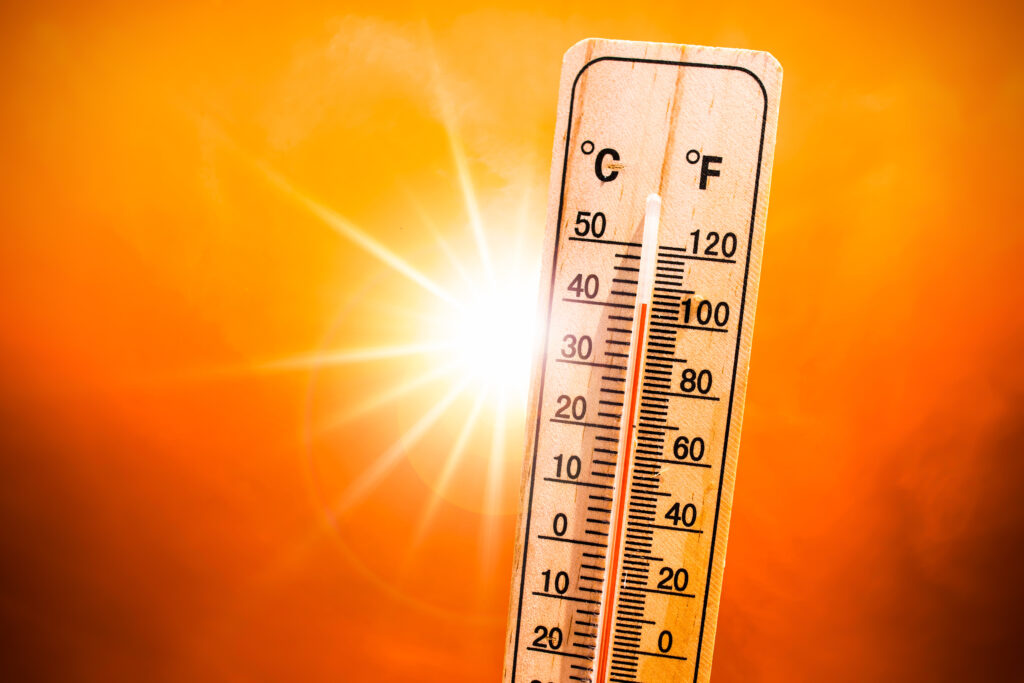
  • ❄️ Signs Your Air Conditioner Needs Repair Before It Breaks Down

    By West End Heating & Air | Fontana | 909.490.7957

    Signs Your Air Conditioner Needs Repair Before It Breaks Down

    Your air conditioner is one of the hardest-working systems in your home, especially during the scorching summer months. Unfortunately, many homeowners don’t realize their AC is struggling until it stops working altogether. A complete breakdown often happens during the hottest days of the year, leaving families uncomfortable and facing costly emergency repairs.

    The good news is that your cooling system usually provides warning signs before a major failure occurs. Recognizing these symptoms early can help you avoid expensive repairs, reduce downtime, and extend the life of your HVAC system.

    At West End Heating & Air, we help homeowners throughout Fontana identify and resolve AC issues before they become serious problems. Here are the most common signs your air conditioner may need professional attention.

    🚨 Warm Air Coming From Your Vents

    One of the most obvious indicators of trouble is when your air conditioner is running but blowing warm or room-temperature air.

    Possible causes include:

    • Low refrigerant levels
    • Dirty evaporator coils
    • Compressor problems
    • Thermostat malfunctions
    • Restricted airflow

    If your home isn’t cooling properly despite the system running, it’s time to schedule an inspection.

    🌬️ Weak Airflow Throughout the Home

    Strong airflow is essential for maintaining consistent indoor comfort.

    When airflow weakens, you may notice:

    • Rooms taking longer to cool
    • Uneven temperatures
    • Hot spots throughout the house
    • Increased humidity levels

    Common Causes of Weak Airflow

    • Dirty air filters
    • Blocked ductwork
    • Blower motor issues
    • Closed or obstructed vents
    • Failing fan components

    Ignoring airflow problems often causes your system to work harder and consume more energy.

    πŸ”Š Strange Noises During Operation

    Modern air conditioning systems should operate relatively quietly.

    If you hear unusual sounds, your HVAC system may be warning you about a developing issue.

    Sounds That Require Attention

    Banging

    May indicate loose or broken internal components.

    Grinding

    Could signal motor bearing problems.

    Squealing

    Often points to worn belts or motor issues.

    Rattling

    May indicate loose hardware or debris inside the system.

    Prompt repairs can prevent further damage and more costly repairs later.

    πŸ’° Unexpected Increases in Energy Bills

    A sudden spike in your utility bill often indicates that your air conditioner is operating inefficiently.

    Possible reasons include:

    • Dirty coils
    • Refrigerant leaks
    • Aging equipment
    • Restricted airflow
    • Mechanical wear

    When your system struggles to maintain temperature, it consumes more energy to achieve the same results.

    Monitoring monthly energy costs can help identify HVAC issues early.

    πŸ”„ Frequent Cycling

    Your air conditioner should complete regular cooling cycles throughout the day.

    If the system constantly turns on and off, known as short cycling, it may indicate a problem.

    Potential Causes

    • Oversized equipment
    • Thermostat issues
    • Refrigerant problems
    • Electrical malfunctions
    • Dirty coils

    Short cycling increases wear on components and reduces system efficiency.

    πŸ’§ Water Leaks Around the Unit

    Moisture around your indoor unit should never be ignored.

    Possible causes include:

    • Clogged condensate drains
    • Frozen evaporator coils
    • Damaged drain pans
    • Excess humidity issues

    Water leaks can lead to:

    • Property damage
    • Mold growth
    • Reduced system performance

    Professional diagnosis is recommended whenever leaks are present.

    🧊 Frozen Evaporator Coils

    Ice on your air conditioner may seem harmless, but it’s usually a sign of a larger problem.

    Frozen coils commonly result from:

    • Dirty air filters
    • Restricted airflow
    • Refrigerant leaks
    • Blower motor issues

    If you notice ice accumulation, turn the system off and contact an HVAC professional.

    Continuing to operate the unit can cause significant damage.

    🌫️ High Indoor Humidity

    Your air conditioner helps remove excess moisture from indoor air.

    When humidity levels rise, you may notice:

    • Sticky indoor conditions
    • Condensation on windows
    • Musty odors
    • Reduced comfort

    Humidity problems often indicate:

    • Improper system sizing
    • Refrigerant issues
    • Poor airflow
    • Aging equipment

    Maintaining proper humidity improves comfort and indoor air quality.

    πŸ‘ƒ Unpleasant Odors

    Unusual smells coming from your vents should never be ignored.

    Common HVAC Odors

    Musty Smells

    Often indicate mold or mildew growth.

    Burning Odors

    May signal electrical issues or overheating components.

    Chemical Smells

    Could indicate refrigerant leaks.

    Prompt inspection can help prevent safety concerns and system damage.

    πŸ“… Your AC Is More Than 10 Years Old

    Even well-maintained air conditioners experience wear over time.

    As systems age, homeowners often notice:

    • Increased repairs
    • Reduced efficiency
    • Higher utility bills
    • Less consistent cooling

    If your AC is more than a decade old and showing multiple warning signs, replacement may be more cost-effective than ongoing repairs.

    πŸ› οΈ The Importance of Preventative Maintenance

    Many major HVAC breakdowns are preventable through routine maintenance.

    Professional tune-ups help identify:

    • Worn components
    • Refrigerant issues
    • Electrical concerns
    • Airflow restrictions
    • Drainage problems

    At West End Heating & Air, our maintenance services are designed to catch problems early and keep your cooling system running reliably throughout the summer.

    🌑️ Why Immediate Repairs Matter

    Delaying repairs often leads to:

    • More extensive damage
    • Higher repair costs
    • Reduced efficiency
    • Increased energy bills
    • Shortened equipment lifespan

    Addressing small issues early can save significant time and money in the long run.

    πŸ“ž Schedule AC Repair With West End Heating & Air Today

    If you’ve noticed warm air, weak airflow, unusual noises, rising utility bills, or any other warning signs, don’t wait for a complete breakdown. Early intervention can help restore comfort, improve efficiency, and protect your HVAC investment.

    At West End Heating & Air, our experienced technicians provide fast, reliable air conditioning diagnostics and repairs throughout Fontana. We’ll identify the issue, explain your options, and get your system back to operating at peak performance.

    Call 909.490.7957 today to schedule professional AC repair service and avoid unexpected breakdowns this summer.

  • 🌞 How to Lower Your Energy Bills This Summer Without Sacrificing Comfort

    By West End Heating & Air | Fontana | 909.490.7957

    How to Lower Your Energy Bills This Summer Without Sacrificing Comfort

    As summer temperatures climb, so do energy bills. Many homeowners dread opening their utility statements during the hottest months of the year, especially when air conditioning systems run almost nonstop to maintain indoor comfort. The good news is that staying cool doesn’t have to mean paying excessively high energy costs.

    By making a few smart adjustments and ensuring your HVAC system is operating efficiently, you can significantly reduce energy consumption while keeping your home comfortable all summer long. At West End Heating & Air, we help homeowners throughout Fontana maximize cooling performance and minimize utility expenses through professional HVAC services and energy-saving solutions.

    πŸ’° Why Energy Bills Increase During Summer

    Your air conditioning system is typically the largest energy consumer in your home during summer. When temperatures rise into the 90s and beyond, your HVAC system must work harder and longer to maintain a comfortable indoor environment.

    Several factors contribute to increased energy costs:

    • Extended cooling cycles
    • Dirty HVAC components
    • Poor insulation
    • Air leaks around windows and doors
    • Outdated equipment
    • Incorrect thermostat settings
    • Lack of routine maintenance

    Understanding where energy is being wasted is the first step toward lowering your monthly utility bills.

    🌑️ Set Your Thermostat for Maximum Efficiency

    One of the simplest ways to reduce cooling costs is adjusting your thermostat settings.

    The U.S. Department of Energy recommends setting your thermostat to approximately 78Β°F when you’re home and increasing it while you’re away.

    Smart Thermostat Benefits

    Installing a programmable or smart thermostat allows you to:

    • Automatically adjust temperatures throughout the day
    • Control settings remotely
    • Reduce unnecessary cooling
    • Track energy usage
    • Create customized comfort schedules

    Even raising your thermostat by just a few degrees can result in noticeable energy savings over the course of a summer season.

    πŸ”§ Replace Air Filters Regularly

    A dirty air filter restricts airflow and forces your air conditioner to work harder.

    When airflow becomes limited:

    • Cooling efficiency decreases
    • Energy consumption increases
    • Indoor air quality suffers
    • System components experience additional wear

    Recommended Filter Replacement Schedule

    • Every 30 days for homes with pets
    • Every 60 days for average households
    • Every 90 days for low-occupancy homes

    Replacing filters is one of the easiest and most affordable ways to improve HVAC efficiency.

    🏠 Seal Air Leaks Around Your Home

    Cool air escaping through gaps and cracks forces your HVAC system to work overtime.

    Common leak locations include:

    • Windows
    • Exterior doors
    • Attic access points
    • Electrical penetrations
    • Plumbing openings
    • Ductwork connections

    Sealing these leaks helps maintain indoor temperatures and reduces cooling demand.

    Benefits of Air Sealing

    • Lower utility bills
    • Improved comfort
    • More consistent temperatures
    • Reduced HVAC workload

    A properly sealed home allows your air conditioner to operate more efficiently.

    🌬️ Improve Airflow Throughout Your Home

    Good airflow is essential for efficient cooling.

    To maximize airflow:

    • Keep supply vents open
    • Remove furniture blocking registers
    • Keep interior doors open when possible
    • Clean return air vents regularly
    • Ensure ductwork remains unobstructed

    Poor airflow often leads to hot spots, uneven cooling, and higher energy consumption.

    🌳 Use Shade to Reduce Cooling Costs

    The sun can dramatically increase indoor temperatures, especially during peak afternoon hours.

    Outdoor Shading Strategies

    Consider:

    • Planting shade trees
    • Installing awnings
    • Using pergolas
    • Adding exterior solar screens

    Indoor Shading Solutions

    Use:

    • Blackout curtains
    • Thermal drapes
    • Cellular shades
    • Reflective window coverings

    Reducing solar heat gain can significantly decrease your air conditioning workload.

    🧹 Schedule Professional HVAC Maintenance

    Routine maintenance is one of the most effective ways to lower energy bills.

    Over time, dirt and wear can reduce system efficiency and increase operating costs.

    During a professional tune-up, technicians inspect:

    • Refrigerant levels
    • Electrical components
    • Condenser coils
    • Evaporator coils
    • Blower assemblies
    • Drain systems
    • Thermostat performance

    At West End Heating & Air, our preventative maintenance services help homeowners keep cooling systems operating at peak performance throughout the summer.

    ⚑ Upgrade to Energy-Efficient Equipment

    If your air conditioner is more than 10 to 15 years old, it may be costing you more money than necessary.

    Modern HVAC systems offer:

    • Higher SEER ratings
    • Improved humidity control
    • Variable-speed technology
    • Quieter operation
    • Lower energy consumption

    Signs It May Be Time for Replacement

    • Frequent repairs
    • Rising utility bills
    • Uneven cooling
    • Excessive noise
    • Aging equipment

    A new high-efficiency system can dramatically reduce monthly energy expenses while improving comfort.

    🍳 Reduce Indoor Heat Sources

    Many everyday activities generate heat that forces your HVAC system to work harder.

    Try These Energy-Saving Habits

    • Use grills instead of ovens when possible
    • Run dishwashers at night
    • Wash clothes in cold water
    • Switch to LED lighting
    • Turn off unused electronics

    Reducing indoor heat gain helps maintain cooler temperatures naturally.

    πŸ’¨ Consider Ceiling Fans

    Ceiling fans don’t lower room temperatures, but they help occupants feel cooler by increasing air circulation.

    Benefits include:

    • Enhanced comfort
    • Reduced reliance on air conditioning
    • Lower cooling costs

    You can often raise your thermostat setting several degrees while maintaining comfort when ceiling fans are used properly.

    🌎 Improve Your Home’s Insulation

    Insulation helps keep cool air inside and hot air outside.

    Areas that often benefit from additional insulation include:

    • Attics
    • Crawl spaces
    • Exterior walls
    • Garages

    Proper insulation reduces heat transfer and improves HVAC efficiency throughout the year.

    ⚠️ Watch for Signs of Energy Waste

    If your utility bills seem unusually high, your HVAC system may be struggling.

    Common warning signs include:

    • Constant system operation
    • Uneven room temperatures
    • Weak airflow
    • Short cycling
    • Excess humidity
    • Frequent repairs

    Addressing these issues early can prevent larger and more expensive problems.

    πŸ“ž Let West End Heating & Air Help You Save This Summer

    Lowering your summer energy bills doesn’t require sacrificing comfort. With proper HVAC maintenance, smart thermostat usage, improved insulation, and energy-efficient habits, you can stay cool while reducing monthly utility costs.

    At West End Heating & Air, we specialize in helping homeowners improve efficiency, lower energy expenses, and maintain reliable cooling performance throughout the hottest months of the year.

    Call 909.490.7957 today to schedule a professional HVAC inspection, tune-up, or system evaluation. Our experienced team is ready to help you stay comfortable while keeping your energy bills under control.