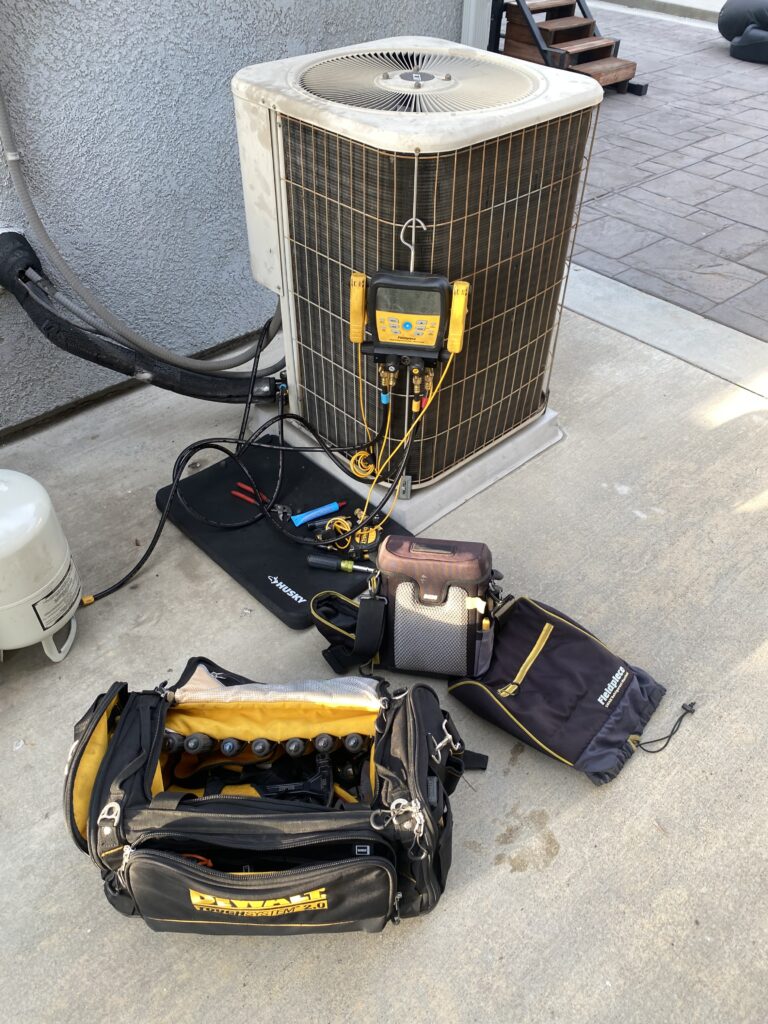
Tag: HVAC repair Fontana

  • πŸ’§ Your HVAC and Humidity: What Fontana Homeowners Need to Know

    By West End Heating & Air | Fontana | 909.490.7957

    Your HVAC and Humidity: What Fontana Homeowners Need to Know

    Your air conditioner does more than cool your homeβ€”it also plays an important role in controlling indoor moisture. When indoor humidity is too high or too low, your home may feel uncomfortable even when the thermostat says the temperature is just right. At West End Heating & Air, we help Fontana homeowners get more from their heating and cooling systems while maintaining a comfortable indoor environment. If your home feels humid, stuffy, clammy, or unusually dry, call 909.490.7957 to find out whether your HVAC system could be part of the problem.

    πŸ’¦ What Does Humidity Have to Do With Your HVAC System?

    Humidity refers to the amount of moisture present in the air. While outdoor humidity changes with weather conditions, the moisture level inside your home is also affected by ventilation, household activities, air leaks, and your HVAC system.

    Your air conditioner removes both heat and moisture from indoor air. As warm air passes over the cold evaporator coil, moisture can condense on the coil. That moisture then drains away through the system’s condensate drainage components.

    This means a properly functioning air conditioner isn’t simply lowering the temperature. It is also helping manage moisture.

    When something interferes with that process, you might notice that your home reaches the thermostat setting but still doesn’t feel as comfortable as it should.

    🌑️ Why Indoor Humidity Matters for Comfort

    Temperature and humidity work together to influence how your home feels.

    When indoor humidity is elevated, your body may have a harder time cooling itself through the evaporation of perspiration. As a result, a room can feel warmer and stickier than its actual temperature suggests.

    That can lead homeowners to lower the thermostat unnecessarily.

    When indoor air is excessively dry, you may experience a different set of comfort problems. Dry indoor conditions can contribute to static electricity and can make wood furnishings and other moisture-sensitive materials more susceptible to drying.

    Maintaining balanced indoor humidity can therefore improve overall comfort without relying solely on thermostat adjustments.

    🏠 Signs Your Home May Have Too Much Humidity

    Excess moisture isn’t always obvious at first. Sometimes homeowners simply notice that the house feels uncomfortable despite the air conditioner running.

    Common signs of excessive indoor humidity can include:

    • A sticky or clammy feeling indoors
    • Condensation on windows or other cool surfaces
    • Musty odors
    • Rooms that feel warmer than the thermostat indicates
    • Persistent moisture in certain areas
    • An air conditioner that cools the house but doesn’t seem to make it comfortable
    • Visible signs of moisture-related deterioration

    These symptoms don’t automatically mean your air conditioner is malfunctioning. Moisture can enter a home through several sources. However, persistent humidity problems are worth investigating.

    ❄️ How Your Air Conditioner Removes Moisture

    To understand the relationship between air conditioning and humidity, it helps to look at what happens during a normal cooling cycle.

    Warm indoor air is drawn through the return vents and passes through the HVAC system. When that air reaches the cold evaporator coil, heat transfers out of the air. At the same time, water vapor in the air can condense into liquid water on the coil.

    That water is collected and directed into the condensate drain system.

    The cooled, conditioned air then returns to your living areas.

    For effective moisture removal, the equipment needs adequate operating cycles, proper airflow, clean components, and a functioning drainage system. Problems in any of these areas can potentially affect comfort and moisture control.

    πŸ“ Can an Oversized Air Conditioner Cause Humidity Problems?

    Bigger isn’t necessarily better when it comes to air conditioning equipment.

    An oversized AC system may cool a home very quickly. That sounds beneficial, but short cooling cycles can create another issue: the equipment may shut off before it has had enough operating time to remove as much moisture from the air.

    This behavior is commonly referred to as short cycling.

    The result can be a house that reaches the thermostat’s target temperature but still feels humid.

    Proper HVAC sizing should consider more than square footage alone. Factors such as insulation, windows, orientation, air leakage, construction characteristics, and cooling loads can influence equipment requirements.

    That’s one reason professional system evaluation is important when replacing heating and cooling equipment.

    πŸ”§ HVAC Maintenance Can Support Better Humidity Control

    Routine maintenance isn’t only about reducing the likelihood of an unexpected breakdown. It can also help the system operate the way it was designed to operate.

    Restricted airflow, dirty components, drainage issues, and other HVAC problems may interfere with cooling and moisture removal.

    During professional HVAC maintenance, a technician can inspect system operation and identify conditions that may be affecting performance.

    Homeowners should also pay attention to air filters. A severely restricted filter can interfere with airflow, potentially reducing system efficiency and contributing to performance problems.

    Keeping up with appropriate filter replacement and professional service can help your equipment perform consistently during periods of heavy use.

    🚿 Your Daily Activities Also Add Humidity

    Your HVAC system isn’t the only factor controlling indoor moisture. Everyday activities can release substantial amounts of water vapor into your home.

    Cooking, showering, washing dishes, doing laundry, and even normal occupancy can add moisture to indoor air.

    Bathrooms and kitchens are especially important areas for ventilation. Exhaust fans can help move moisture outside rather than allowing it to spread throughout the house.

    Homeowners should also pay attention to plumbing leaks, roof leaks, drainage problems, and other sources of unwanted moisture.

    If you have an ongoing humidity problem, looking at the entire home rather than focusing exclusively on the air conditioner can provide a more complete picture.

    πŸšͺ Air Leaks Can Affect Indoor Humidity

    Outdoor air can enter your home through gaps and cracks around doors, windows, penetrations, attic access points, and other openings.

    This uncontrolled air exchange can make it harder for your HVAC equipment to maintain consistent indoor conditions.

    Improving home air sealing and insulation may help reduce unwanted outdoor air infiltration while improving overall energy performance. However, tighter homes also need appropriate ventilation, which is why whole-home comfort should be considered as a system rather than as individual components.

    If certain rooms consistently feel different from the rest of the house, airflow, ductwork, insulation, or air leakage may be contributing factors.

    🌬️ What About Whole-Home Dehumidification?

    In some homes, air conditioning alone may not provide the desired level of moisture control under every condition.

    A whole-home dehumidifier is designed specifically to remove moisture from indoor air. Unlike small portable units that generally treat one room or area, whole-home solutions can work with a home’s HVAC configuration to provide broader moisture management.

    Whether one is appropriate depends on the home, HVAC system, moisture sources, and comfort goals.

    Professional evaluation can help determine whether an HVAC issue needs to be corrected first or whether additional humidity-control equipment makes sense.

    β˜€οΈ Why Fontana Homeowners Should Pay Attention to Indoor Comfort

    Fontana homeowners depend heavily on air conditioning during hot weather. When outdoor temperatures rise, HVAC equipment may operate for long periods to maintain comfortable indoor conditions.

    That makes system performance especially important.

    If your air conditioner isn’t cooling properly, runs constantly, cycles unusually often, produces weak airflow, or leaves your home feeling uncomfortable despite reaching the thermostat setting, it may be time for a professional inspection.

    Addressing smaller HVAC issues before they develop into larger problems can help protect comfort and potentially reduce unnecessary strain on equipment.

    πŸ’‘ Don’t Try to Fix Humidity Problems by Simply Lowering the Thermostat

    If your home feels muggy, lowering the thermostat several degrees might seem like the easiest solution.

    It isn’t necessarily the best one.

    Setting the thermostat lower can increase energy use without correcting the underlying reason your home feels humid. If equipment sizing, airflow, drainage, ventilation, or another issue is involved, the source of the problem still needs attention.

    Instead, consider the symptoms you’re experiencing.

    Does the air conditioner turn on and off rapidly? Are some rooms much more humid than others? Has airflow decreased? Are you noticing moisture around windows? Did the problem begin recently?

    These details can help an HVAC technician narrow down possible causes.

    πŸ› οΈ When Should You Call an HVAC Professional?

    Some humidity changes are temporary and related to weather or normal household activities. Persistent changes deserve more attention.

    Consider scheduling an HVAC inspection if your home regularly feels humid while the air conditioner is operating, your system struggles to maintain comfort, you notice unusually short or long cooling cycles, airflow has changed, or moisture appears around HVAC components.

    A professional technician can evaluate the equipment and determine whether an HVAC condition may be contributing to the problem.

    Avoid opening or attempting repairs on electrical, refrigerant, or internal HVAC components yourself. Proper diagnosis can help prevent unnecessary repairs while ensuring that system problems are addressed safely.

    βœ… Better Humidity Control Starts With a Healthy HVAC System

    A comfortable home isn’t defined by temperature alone. Humidity, airflow, ventilation, and HVAC performance all contribute to how your indoor environment feels.

    If your Fontana home seems sticky or uncomfortable even though the thermostat says everything is fine, don’t automatically assume you need to keep lowering the temperature. Your cooling system may need maintenance, airflow correction, repair, or a closer evaluation of how it is managing indoor moisture.

    West End Heating & Air can help you determine whether your HVAC system is contributing to humidity and comfort problems. For professional HVAC service in Fontana, call 909.490.7957 and get your home feeling comfortable again.


  • ❄️ Why Is My AC Running but Not Cooling My Fontana Home?

    By West End Heating & Air | Fontana | 909.490.7957

    Why Is My AC Running but Not Cooling My Fontana Home?

    Few things are more frustrating than hearing your air conditioner run continuously while your home remains hot and uncomfortable. The system sounds like it is working, air may even be coming from the vents, but the indoor temperature refuses to drop.

    If your AC is running but not cooling, the problem could be as simple as an incorrect thermostat setting or as serious as a failed compressor. Because Fontana summers can place heavy demands on residential cooling systems, seemingly minor problems can quickly become expensive breakdowns.

    Understanding the most common causes can help you decide whether there is a safe troubleshooting step you can perform or whether it is time to call West End Heating & Air at 909.490.7957 for professional AC repair in Fontana.

    🌑️ Start by Checking Your Thermostat

    Before assuming that your air conditioner has a major mechanical problem, inspect the thermostat. An incorrect setting can make the HVAC system run without providing the cooling you expect.

    Confirm that the thermostat is:

    • Set to COOL, not HEAT or FAN
    • Set several degrees below the current indoor temperature
    • Displaying the correct room temperature
    • Equipped with working batteries, if applicable
    • Following the intended schedule

    When the thermostat fan is set to ON, the blower may run continuouslyβ€”even when the air conditioner is not actively cooling. This can make it seem as though the AC is operating but producing warm air.

    Set the fan to AUTO so it runs only during an active cooling cycle. Wait a few minutes to see whether cool air begins coming from the vents.

    If the thermostat settings are correct but your Fontana home is still uncomfortable, the issue is likely elsewhere in the system.

    🧼 A Dirty Air Filter May Be Restricting Airflow

    A clogged filter is one of the most common reasons for an air conditioner running without cooling properly. The filter captures dust, hair, pollen, and other airborne particles before they can circulate through your home or accumulate inside the HVAC equipment.

    As debris builds up, the filter becomes increasingly restrictive. Your blower must work harder to pull air through the system, and less conditioned air reaches the rooms in your home.

    Poor airflow can cause:

    • Weak airflow from the supply vents
    • Long or continuous cooling cycles
    • Uneven indoor temperatures
    • Increased electricity consumption
    • Ice forming on the evaporator coil
    • Premature wear on HVAC components

    Inspect the filter and replace it if it appears gray, dusty, or clogged. Many standard filters should be checked monthly and replaced every one to three months. Homes with pets, allergies, construction dust, or frequent HVAC use may require more frequent replacement.

    Installing a clean filter may improve airflow, but it will not instantly thaw a frozen coil or correct damage caused by prolonged airflow restriction. If cooling does not return, call West End Heating & Air at 909.490.7957.

    🧊 Your Evaporator Coil Could Be Frozen

    The indoor evaporator coil absorbs heat from the air passing through your HVAC system. When airflow becomes restricted or the system develops a refrigerant-related problem, the coil can become excessively cold. Moisture then freezes on its surface, creating a layer of ice that prevents effective heat transfer.

    Signs of a frozen AC coil include:

    • Ice on the refrigerant line or indoor equipment
    • Warm or barely cool air from the vents
    • Weak airflow
    • Water collecting near the indoor unit
    • An air conditioner that runs for unusually long periods

    If you see ice, turn off the cooling function to help prevent compressor damage. You may set the thermostat fan to ON to circulate room-temperature air across the coil, but thawing can take several hours.

    Do not scrape, chip, or force ice from the equipment. The coil and refrigerant lines can be damaged easily.

    A frozen coil is usually a symptom of another problem, not the original cause. Restricted airflow, a dirty coil, a blower malfunction, or low refrigerant may be responsible. A trained technician should identify and correct the underlying condition before the system resumes normal operation.

    πŸ’¨ Low Refrigerant Can Reduce Cooling Performance

    Refrigerant moves heat from inside your home to the outdoor environment. Contrary to a common misconception, a properly sealed air conditioner should not routinely β€œuse up” its refrigerant.

    If the refrigerant level is low, there is often a leak somewhere in the system.

    Possible signs of low AC refrigerant include:

    • The AC runs but does not cool the home
    • Cooling cycles become increasingly long
    • The system struggles during hotter parts of the day
    • Ice develops on the evaporator coil or refrigerant line
    • You hear bubbling or hissing near the equipment
    • Energy bills increase without an obvious explanation

    Refrigerant handling is not a do-it-yourself repair. The leak should be located and the condition of the system evaluated before refrigerant is added. Simply recharging a leaking system may provide only temporary relief.

    West End Heating & Air can inspect your equipment, explain the available repair options, and help determine the right solution for your home.

    🌿 The Outdoor Condenser May Be Dirty or Blocked

    Once refrigerant absorbs heat from your indoor air, that heat must be released through the outdoor condenser unit. If the condenser cannot move air freely, your AC may run continuously while providing little cooling.

    Common obstructions include:

    • Leaves and grass clippings
    • Dirt and dust
    • Weeds or overgrown shrubs
    • Outdoor furniture or stored items
    • Debris trapped against the condenser coil

    Turn off power to the equipment before visually inspecting the area. Remove loose debris surrounding the unit and maintain adequate open space around it.

    Avoid bending the delicate metal fins or spraying electrical components. A condenser coil coated with stubborn dirt usually needs professional cleaning. Proper cleaning improves heat transfer without damaging the coil or forcing debris deeper into the equipment.

    ⚑ The Outdoor Unit May Not Be Running

    Your indoor blower and outdoor condenser perform different functions. The blower can continue circulating air even when the outdoor equipment has stopped operating. When this occurs, air comes through the vents but is not properly cooled.

    From a safe distance, check whether the outdoor unit is operating during a cooling cycle. You may notice that:

    • The condenser fan is not spinning
    • The outdoor unit is silent
    • The unit starts and quickly stops
    • The system makes a humming or clicking sound
    • Warm air continues coming from the indoor vents

    The cause could be a tripped breaker, failed capacitor, contactor problem, damaged fan motor, wiring issue, or compressor malfunction.

    You may check your electrical panel for a tripped breaker. If it has tripped, reset it only once. If it trips again, leave it off and schedule service. Repeatedly resetting a breaker can create a safety risk and may result in further equipment damage.

    πŸšͺ Closed Vents and Duct Problems Can Affect Comfort

    Closing supply vents may seem like a useful way to redirect cool air, but it can increase pressure within the duct system and reduce HVAC performance. Make sure supply vents and return-air grilles are open and unobstructed.

    Furniture, rugs, boxes, and curtains can interfere with airflow even when a vent appears open.

    Problems hidden inside the ductwork can also cause cooling loss. Disconnected, crushed, poorly insulated, or leaking ducts may allow conditioned air to escape before it reaches your living spaces.

    Possible signs of ductwork problems include:

    • Certain rooms remain warmer than others
    • Airflow is noticeably weak at specific vents
    • Energy bills are unusually high
    • Dust accumulates quickly around the home
    • The attic or another unconditioned area feels unexpectedly cool
    • You hear rattling or whistling from the ducts

    A professional inspection can determine whether the cooling problem originates in the AC equipment, the duct system, or both.

    β˜€οΈ Extreme Heat Can Expose an Undersized or Aging AC

    Air conditioners have practical operating limits. During intense Fontana heat, a properly functioning system may run longer than usual. However, it should still make meaningful progress toward the thermostat setting and control indoor humidity.

    If your air conditioner has always struggled to cool the home, it may be incorrectly sized, poorly installed, or operating alongside inadequate insulation and air sealing.

    If the problem is new, age and wear may be affecting performance. Components lose efficiency over time, coils become dirty, motors weaken, and electrical parts deteriorate.

    Common warning signs of an aging system include:

    • Frequent repairs
    • Rising utility costs
    • Excessive noise
    • Hot and cold spots
    • Short cycling or continuous operation
    • Difficulty maintaining a comfortable temperature
    • An air conditioner approaching or exceeding its expected service life

    Replacement is not automatically necessary when an older system develops a problem. A professional diagnostic visit can clarify whether repair remains practical or whether a new high-efficiency system would provide better long-term value.

    πŸ”§ Could the Compressor Be the Problem?

    The compressor is central to the refrigeration process. It circulates refrigerant between the indoor and outdoor coils so heat can be removed from your home.

    When a compressor becomes weak, overheats, or fails, the blower may continue running while the system produces little or no cooling.

    Compressor problems should be diagnosed carefully because other failures can create similar symptoms. A faulty capacitor, electrical problem, incorrect refrigerant charge, or restricted coil can prevent the compressor from operating correctly.

    Because compressor work involves high-voltage electricity and a pressurized refrigerant circuit, it must be handled by a qualified HVAC professional.

    πŸ›‘ When Should You Turn Off the Air Conditioner?

    Continuing to run a malfunctioning AC can sometimes make the problem worse. Turn off the cooling function and request professional help if you notice:

    • Ice on the coil or refrigerant lines
    • Burning odors
    • Repeated breaker trips
    • Grinding, buzzing, or severe rattling
    • Water leaking around electrical components
    • The outdoor fan is stopped while the system hums
    • The AC runs continuously without lowering the temperature

    Prompt service can help protect expensive components and reduce the chance of a complete cooling failure during hot weather.

    βœ… What Can You Safely Check Before Calling?

    Homeowners can perform several basic checks without opening equipment panels or handling electrical parts:

    1. Confirm that the thermostat is set to COOL.
    2. Lower the temperature setting by several degrees.
    3. Set the thermostat fan to AUTO.
    4. Inspect and replace a dirty air filter.
    5. Open all supply vents and return grilles.
    6. Remove items blocking indoor vents.
    7. Clear loose debris from around the outdoor condenser.
    8. Check whether the outdoor unit is operating.
    9. Look for visible ice or water near the indoor unit.
    10. Check the electrical panel for a tripped breaker.

    If these steps do not restore cooling, further troubleshooting should be left to a professional. Guessing at the cause or repeatedly restarting the equipment may add damage without solving the original problem.

    πŸ“ž Schedule AC Repair in Fontana Today

    When your AC is running but not cooling your Fontana home, you should not have to settle for warm rooms, sleepless nights, and an air conditioner that wastes electricity.

    West End Heating & Air can diagnose airflow restrictions, frozen coils, refrigerant issues, electrical failures, thermostat problems, dirty condensers, and other common cooling-system concerns. Once the cause is identified, you can receive clear guidance about the appropriate repair.

    Call West End Heating & Air at 909.490.7957 to schedule dependable air conditioning service in Fontana. Addressing the issue early may help prevent additional damage, restore comfort faster, and protect the performance of your HVAC system.

  • 🌬️ Top Signs Your Air Conditioner Needs Repair in Fontana Before Summer Hits

    By West End Heating & Air | Fontana | 909.490.7957

    op Signs Your Air Conditioner Needs Repair in Fontana Before Summer Hits

    As temperatures begin climbing across Fontana, homeowners rely heavily on their air conditioning systems to stay comfortable. The last thing anyone wants is for their AC unit to stop working during a triple-digit heatwave. Unfortunately, many cooling systems show warning signs long before they completely fail. Recognizing these early indicators can save you from expensive emergency repairs, higher energy bills, and uncomfortable indoor temperatures.

    At West End Heating & Air, we help homeowners throughout Fontana, the Inland Empire, and surrounding communities keep their cooling systems operating at peak performance. Our NATE-certified technicians provide professional AC repair, maintenance, and installation services designed to keep your home comfortable year-round.

    If you notice any of the following signs, it’s time to schedule a professional inspection before summer arrives.


    β˜€οΈ Why Early AC Repairs Matter

    Many homeowners wait until their air conditioner completely stops working before calling for service. Unfortunately, this often leads to larger repair bills and longer wait times during peak summer months.

    Routine maintenance and early repairs can help:

    βœ… Prevent unexpected breakdowns

    βœ… Improve system efficiency

    βœ… Lower monthly utility costs

    βœ… Extend equipment lifespan

    βœ… Improve indoor comfort

    Addressing small problems now often prevents major issues later.


    πŸ”Š Unusual Noises Coming From Your AC Unit

    A properly functioning air conditioner should operate relatively quietly. If you begin hearing strange sounds, your system may be warning you that something is wrong.

    Common noises include:

    • Grinding
    • Squealing
    • Banging
    • Rattling
    • Buzzing
    • Clicking

    These sounds may indicate worn bearings, loose components, motor problems, electrical issues, or debris inside the system.

    Ignoring unusual noises can lead to more extensive damage over time. If your AC suddenly sounds different than normal, it’s best to schedule a professional inspection immediately.


    🌑️ Weak Airflow Throughout Your Home

    When your air conditioner is running, you should feel strong, consistent airflow from every vent.

    If airflow seems weak, possible causes include:

    • Dirty air filters
    • Blocked ductwork
    • Failing blower motors
    • Damaged duct systems
    • Frozen evaporator coils

    Weak airflow forces your system to work harder, increasing energy consumption and reducing comfort.

    A professional technician can quickly identify the source of the problem and restore proper airflow throughout your home.


    πŸ’Έ Rising Energy Bills

    One of the earliest warning signs of HVAC trouble is a sudden increase in utility costs.

    If your cooling habits haven’t changed but your electric bill continues climbing, your system may be losing efficiency due to:

    • Dirty coils
    • Refrigerant leaks
    • Aging components
    • Airflow restrictions
    • Thermostat issues

    An inefficient air conditioner often runs longer than necessary to maintain desired temperatures.

    Regular maintenance and timely repairs can help restore efficiency and lower operating costs.


    ❄️ Warm Air Coming From Vents

    Nothing is more frustrating than turning on your AC only to feel warm air blowing through your vents.

    This issue may result from:

    • Low refrigerant levels
    • Compressor failure
    • Thermostat malfunctions
    • Electrical problems
    • Dirty condenser coils

    Even if your system is running continuously, warm air indicates your air conditioner is not effectively removing heat from your home.

    Prompt repairs can prevent additional strain on the system and restore cooling performance.


    πŸ’§ Water Leaks Around the Indoor Unit

    Air conditioners naturally produce condensation during operation. However, visible water around your indoor unit is often a sign of a problem.

    Common causes include:

    • Clogged condensate drain lines
    • Broken drain pans
    • Frozen evaporator coils
    • Excess moisture buildup

    Water leaks can lead to:

    • Property damage
    • Mold growth
    • Indoor air quality issues
    • Structural concerns

    If you notice moisture around your HVAC equipment, schedule service right away.


    🌬️ Uneven Cooling Between Rooms

    Do some rooms feel comfortable while others remain hot and stuffy?

    Uneven cooling can indicate:

    • Ductwork issues
    • Airflow restrictions
    • Improper system sizing
    • Thermostat problems
    • Aging HVAC equipment

    Many homeowners assume uneven temperatures are normal, but they often signal underlying HVAC issues that can be corrected.

    A professional evaluation can identify why certain rooms aren’t receiving adequate cooling.


    🧊 Frozen Evaporator Coils

    Many homeowners are surprised to learn that ice forming on an air conditioner is actually a sign of trouble.

    Frozen coils commonly occur because of:

    • Dirty filters
    • Refrigerant leaks
    • Airflow restrictions
    • Blower motor issues

    When coils freeze, your system loses its ability to cool efficiently and may eventually stop working altogether.

    If you notice ice buildup on refrigerant lines or indoor components, turn off the system and call for service.


    🏠 Excess Humidity Indoors

    Your air conditioner does more than cool your homeβ€”it also helps control humidity.

    If your home feels:

    • Sticky
    • Damp
    • Muggy

    Your AC system may not be operating correctly.

    Excess humidity can contribute to:

    • Mold growth
    • Poor indoor air quality
    • Increased discomfort
    • Higher cooling costs

    Proper HVAC maintenance helps ensure your system effectively removes moisture from indoor air.


    πŸ“… Your System Is More Than 10 Years Old

    Even well-maintained systems eventually begin showing signs of wear.

    Older units often experience:

    • Reduced efficiency
    • More frequent repairs
    • Increased energy consumption
    • Inconsistent cooling

    If your air conditioner is over a decade old and experiencing recurring issues, it may be time to discuss replacement options.

    Modern high-efficiency systems offer significant improvements in performance, comfort, and energy savings.


    πŸ”§ The Importance of Preventive Maintenance

    The best way to avoid costly repairs is through regular maintenance.

    Professional AC tune-ups typically include:

    • Cleaning condenser coils
    • Checking refrigerant levels
    • Inspecting electrical components
    • Testing thermostat performance
    • Cleaning drain lines
    • Replacing filters
    • Verifying airflow

    Preventive maintenance helps identify small issues before they become major repairs and keeps your system operating efficiently throughout the summer.


    🌟 Why Fontana Homeowners Trust West End Heating & Air

    When your cooling system needs attention, choosing the right HVAC contractor matters.

    West End Heating & Air proudly serves Fontana and surrounding communities with:

    βœ” Experienced NATE-certified technicians

    βœ” Honest recommendations

    βœ” Emergency HVAC services

    βœ” Financing options available

    βœ” Repairs on all major brands

    βœ” Residential and commercial HVAC solutions

    Our team is committed to helping homeowners stay comfortable year-round with reliable service and quality workmanship.


    πŸ“ž Schedule Your AC Repair Before Summer Arrives

    Don’t wait until your air conditioner fails during the hottest days of the year.

    If you’ve noticed strange noises, weak airflow, rising utility bills, or inconsistent cooling, let the experts at West End Heating & Air help.

    πŸ“ž Call 909.490.7957 today to schedule your AC inspection, repair, or maintenance appointment in Fontana.

    Our experienced technicians are ready to keep your home cool, comfortable, and energy-efficient all summer long.

  • 🏠 Why Regular HVAC Maintenance Is Essential for Fontana Homeowners

    By West End Heating & Air | Fontana | 909.490.7957

    Why Regular HVAC Maintenance Is Essential for Fontana Homeowners

    When temperatures soar during a Fontana summer or dip on chilly winter evenings, your heating and cooling system works hard to keep your family comfortable. Unfortunately, many homeowners don’t think about their HVAC system until it stops working. The truth is that routine maintenance is one of the most important investments you can make in your home’s comfort, efficiency, and indoor air quality.

    At West End Heating & Air, we help homeowners throughout Fontana and surrounding communities protect their HVAC systems with professional maintenance services designed to prevent costly breakdowns and extend equipment life. Our team offers expert service, NATE-certified technicians, financing options, and dependable support when you need it most.

    πŸ”§ What Is HVAC Maintenance?

    HVAC maintenance is a comprehensive inspection, cleaning, and tune-up of your heating and cooling equipment. During a maintenance visit, a technician evaluates the performance of your system, identifies potential issues, and ensures all components are operating efficiently.

    A professional maintenance service may include:

    • Cleaning condenser and evaporator coils
    • Checking refrigerant levels
    • Inspecting electrical connections
    • Testing thermostat performance
    • Replacing or cleaning air filters
    • Lubricating moving components
    • Inspecting ductwork
    • Testing system safety controls

    These proactive steps help keep your system running smoothly throughout the year.

    πŸ’° Lower Energy Bills Through Improved Efficiency

    One of the biggest benefits of regular HVAC maintenance is improved energy efficiency.

    Over time, dirt, dust, and debris accumulate throughout your system. Dirty coils, clogged filters, and worn components force your HVAC equipment to work harder to maintain indoor temperatures. This extra strain increases energy consumption and utility costs.

    Routine maintenance helps your system operate at peak performance, allowing it to cool and heat your home more efficiently. Many homeowners notice lower monthly energy bills after scheduling regular tune-ups.

    Signs Your System May Be Losing Efficiency

    • Rising utility costs
    • Uneven temperatures throughout your home
    • Longer heating or cooling cycles
    • Weak airflow from vents
    • Excessive humidity indoors

    If you notice any of these symptoms, a maintenance inspection may reveal the cause before it becomes a major repair.

    ❄️ Prevent Unexpected HVAC Breakdowns

    Nobody wants their air conditioner to fail during a triple-digit Fontana heatwave.

    Many HVAC failures are caused by minor issues that go unnoticed until they become serious problems. During maintenance visits, technicians can identify worn parts, electrical issues, refrigerant leaks, and airflow restrictions before they cause a system shutdown.

    Preventative maintenance helps reduce the likelihood of:

    • Compressor failures
    • Frozen evaporator coils
    • Electrical malfunctions
    • Blower motor breakdowns
    • Refrigerant leaks
    • Thermostat problems

    Addressing small concerns early can save homeowners hundreds or even thousands of dollars in repair costs.

    🌬️ Improve Indoor Air Quality

    Your HVAC system plays a major role in maintaining healthy indoor air.

    Dust, pollen, pet dander, mold spores, and other airborne contaminants circulate through your ductwork every day. Without regular maintenance, these particles can accumulate and affect your home’s air quality.

    Benefits of HVAC maintenance include:

    • Cleaner indoor air
    • Reduced allergens
    • Improved filtration performance
    • Better humidity control
    • Reduced dust buildup

    This is especially important for families with children, seniors, or individuals who suffer from allergies or respiratory conditions.

    🏑 Extend the Life of Your HVAC System

    Replacing an HVAC system is one of the largest investments homeowners make.

    Most heating and cooling systems are designed to last between 10 and 20 years depending on maintenance and usage. Neglected systems often fail years earlier than expected.

    Routine maintenance helps:

    • Reduce wear and tear
    • Protect critical components
    • Improve overall system performance
    • Extend equipment lifespan
    • Delay costly replacement expenses

    A well-maintained HVAC system often provides years of additional reliable service.

    πŸ”₯ Protect Your Heating System During Winter

    While Fontana is known for warm temperatures, winter nights can become surprisingly cold.

    Furnaces and heat pumps need annual inspections to ensure they are operating safely and efficiently. During a heating tune-up, technicians inspect burners, heat exchangers, safety controls, and airflow components.

    Benefits of heating maintenance include:

    • Reliable winter comfort
    • Improved energy efficiency
    • Enhanced safety
    • Reduced repair needs
    • Longer equipment life

    Scheduling maintenance before the cold season helps ensure your system is ready when temperatures drop.

    ⚑ Maintain Manufacturer Warranty Coverage

    Many HVAC manufacturers require routine professional maintenance to maintain warranty coverage.

    If a major component fails and maintenance records cannot be provided, warranty claims may be denied.

    Regular service documentation demonstrates that your system has been properly maintained and helps protect your investment.

    πŸ› οΈ Why Choose West End Heating & Air?

    When it comes to protecting your comfort, experience matters.

    West End Heating & Air proudly serves Fontana and surrounding communities with professional heating and cooling solutions. Our team is committed to delivering honest recommendations, quality workmanship, and exceptional customer service. We offer NATE-certified expertise, financing options, and responsive support for residential HVAC needs.

    Whether you need seasonal maintenance, emergency repairs, or a complete system replacement, our technicians are here to help.

    πŸ“… When Should HVAC Maintenance Be Scheduled?

    For optimal performance, homeowners should schedule maintenance:

    Spring

    • Air conditioning inspection
    • Cooling system tune-up
    • Refrigerant check
    • Condenser cleaning

    Fall

    • Furnace inspection
    • Heating system tune-up
    • Safety testing
    • Airflow evaluation

    Biannual maintenance ensures your system is prepared for both cooling and heating seasons.

    πŸ“ž Schedule Your HVAC Maintenance Today

    Don’t wait until your system breaks down to give it the attention it deserves.

    Regular HVAC maintenance can improve efficiency, lower energy costs, enhance indoor air quality, and help you avoid unexpected repairs. Let the experts at West End Heating & Air keep your home comfortable all year long.

    Call 909.490.7957 today to schedule your HVAC maintenance service in Fontana and discover the benefits of proactive HVAC care.