By West End Heating & Air | Fontana | 909.490.7957
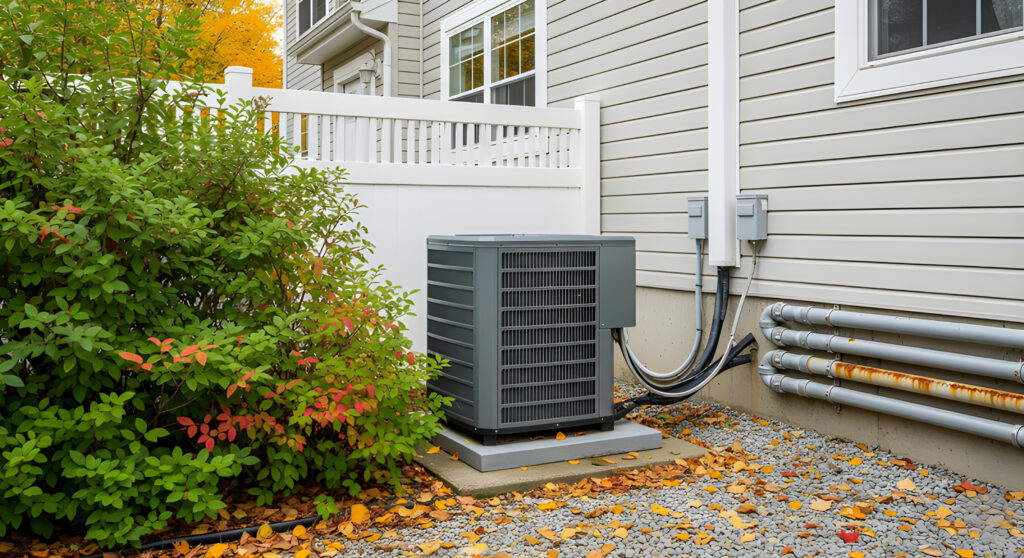
When temperatures drop in Fontana, homeowners depend on their heating systems to provide consistent warmth and comfort. However, discovering that your furnace is blowing cold air instead of heat can quickly turn a chilly morning or evening into a frustrating experience. A furnace blowing cold air may indicate something as simple as an incorrect thermostat setting or a dirty air filter, but it can also point to ignition problems, restricted airflow, malfunctioning safety controls, or other mechanical issues. Understanding the possible causes can help homeowners recognize warning signs and determine when professional service is necessary. West End Heating & Air provides dependable furnace repair in Fontana, professional heating system diagnostics, and seasonal HVAC maintenance to help restore reliable indoor comfort. If your furnace is running but not heating, call 909.490.7957 to schedule an inspection before a minor issue develops into a more expensive repair.
🌡️ Why Is My Furnace Running but Not Producing Heat?
A furnace is designed to generate heat and distribute warm air throughout your home using a blower motor and ductwork.
When the system operates correctly, the thermostat signals the furnace to begin a heating cycle. Depending on the equipment, ignition components activate, the heating process begins, and the blower distributes conditioned air through the supply vents.
If any part of this sequence fails, the furnace may continue circulating air without providing adequate warmth.
A furnace running but not heating can result from several different conditions, including thermostat problems, ignition failures, airflow restrictions, or malfunctioning components.
Identifying the underlying cause is essential because replacing parts without proper diagnosis may not resolve the problem.
🔧 1. Incorrect Thermostat Settings
One of the simplest reasons a furnace may appear to blow cold air is an incorrect thermostat setting.
If the thermostat fan is set to ON instead of AUTO, the blower may continue circulating air even when the furnace is not actively heating.
During these periods, the air coming from the vents may feel cool.
✅ What Homeowners Can Check
Start by reviewing the thermostat settings.
- Confirm the thermostat is set to HEAT.
- Set the desired temperature above the current indoor temperature.
- Check whether the fan is set to AUTO.
- Replace thermostat batteries if the model requires them.
- Verify that programmed schedules are appropriate for cooler weather.
If the system still fails to produce heat, additional thermostat troubleshooting may be necessary.
A malfunctioning thermostat or communication problem between the thermostat and heating equipment can prevent normal operation.
🧼 2. Dirty or Clogged Furnace Air Filters
Air filters help prevent dust and airborne particles from accumulating inside HVAC equipment.
Over time, filters become loaded with debris and may restrict airflow.
A severely clogged filter can reduce the amount of air moving through the heating system.
In some furnaces, restricted airflow can cause excessive internal temperatures, triggering a high-limit safety switch.
When this occurs, the furnace may shut off its burners while the blower continues operating to cool the equipment.
This can create the impression that the furnace is blowing cold air.
🏠 Signs of a Dirty Furnace Filter
Common symptoms include:
- Weak airflow from supply vents
- Longer heating cycles
- Uneven indoor temperatures
- Frequent furnace shutdowns
- Increased dust accumulation
- Reduced heating performance
Inspecting and replacing filters according to manufacturer recommendations is an important part of preventive furnace maintenance.
If the furnace repeatedly overheats or shuts down, professional diagnosis is necessary even after the filter has been replaced.
🔥 3. Furnace Ignition System Problems
Modern gas furnaces use ignition systems to light the burners and begin the heating process.
Depending on the equipment, the system may use a hot surface igniter or another electronic ignition method.
If the ignition system fails, the furnace may attempt to start without successfully producing heat.
A failed igniter, damaged wiring, malfunctioning control board, or another ignition-related problem can interrupt normal heating operation.
⚠️ Warning Signs of Ignition Failure
Homeowners may notice:
- The furnace attempts to start but does not heat.
- The blower operates without warm air.
- The system repeatedly attempts ignition.
- Heating cycles stop unexpectedly.
- A diagnostic fault code appears.
Professional furnace ignition repair requires appropriate testing because gas heating equipment contains electrical components and combustion-related safety systems.
Homeowners should not attempt to bypass ignition controls or manually light equipment that is not designed for manual ignition.
🚨 4. Malfunctioning Flame Sensor
Many modern gas furnaces contain a flame sensor that confirms whether the burners have ignited successfully.
If the sensor cannot properly detect a flame, the furnace control system may shut off the gas supply as a safety precaution.
This can cause the burners to operate briefly before shutting down.
The blower may continue running, resulting in cool air coming through the vents.
Flame sensors can become contaminated or develop electrical problems over time.
A technician can evaluate the sensor, associated wiring, and ignition sequence to determine the cause.
Professional furnace flame sensor repair may involve cleaning, testing, or replacing components when appropriate.
Repeated burner shutdowns should never be ignored because they may indicate an issue affecting safe furnace operation.
💨 5. Restricted Airflow and Blocked Vents
Proper airflow is necessary for effective furnace operation.
When supply or return vents are obstructed, the system may struggle to distribute heated air throughout the home.
Restricted airflow can also contribute to overheating and safety shutdowns.
Common causes include:
- Furniture blocking return air grilles
- Closed or obstructed supply registers
- Dirty air filters
- Ductwork restrictions
- Blower motor problems
- Improperly sized ductwork
Homeowners can inspect accessible vents and remove obvious obstructions.
However, persistent airflow problems may require a professional HVAC airflow inspection.
A technician can evaluate airflow performance and determine whether ductwork, blower operation, or other components require attention.
⚙️ 6. Furnace Blower Motor Problems
The blower motor circulates air through the heating system and distributes it throughout the home.
If the blower motor or its controls malfunction, airflow may become inconsistent or stop completely.
Some blower-related problems can also contribute to abnormal heating cycles.
Warning signs include unusual motor noises, weak airflow, intermittent operation, or repeated system shutdowns.
A failing blower motor may produce squealing, humming, rattling, or grinding sounds.
Professional furnace blower motor repair involves evaluating the motor, electrical connections, control components, and airflow requirements.
Because blower motors operate using electrical power, homeowners should avoid attempting internal repairs without proper training.
🛡️ 7. Furnace High-Limit Switch Problems
A furnace high-limit switch is a safety device designed to respond when internal temperatures exceed acceptable limits.
When overheating occurs, the switch may interrupt burner operation.
The blower may continue running to help reduce internal temperatures.
This can result in air that feels cool or only slightly warm.
High-limit switch activation may be associated with restricted airflow, dirty filters, blower problems, or other operating issues.
Although a malfunctioning switch is possible, repeated high-limit trips often indicate an underlying problem that requires diagnosis.
Professional heating system troubleshooting can help determine why the safety device is activating.
Safety switches should never be bypassed or disabled.
🏡 8. Leaky or Poorly Insulated Air Ducts
Sometimes a furnace generates heat normally, but the air reaching certain rooms feels cooler than expected.
Damaged, disconnected, or poorly insulated ductwork may allow heated air to escape into attics, crawl spaces, or other unconditioned areas.
Duct leakage can also contribute to uneven indoor temperatures and unnecessary energy consumption.
🔍 Signs of Ductwork Problems
Potential indicators include:
- Certain rooms remain colder than others.
- Airflow varies significantly between vents.
- Heating bills increase unexpectedly.
- Visible duct connections appear damaged.
- The system runs longer than expected.
A professional air duct inspection in Fontana can help identify leakage, insulation concerns, or airflow restrictions.
Repairing ductwork problems may improve comfort and help reduce wasted heating energy.
🌡️ 9. Heat Pump Defrost Cycles and Auxiliary Heating
Some Fontana homes use heat pumps instead of conventional gas furnaces.
Heat pumps operate differently because they transfer heat rather than generating it through combustion.
During colder weather, a heat pump may temporarily enter a defrost cycle to remove frost from its outdoor coil.
Depending on the system, indoor air may briefly feel cooler during this process.
However, prolonged cool airflow or an inability to maintain the desired temperature may indicate a problem.
Potential causes include malfunctioning auxiliary heat, refrigerant-related performance issues, or faulty controls.
Professional heat pump repair in Fontana can help determine whether the equipment is operating normally or requires service.
Understanding the type of heating system installed in your home is important when evaluating heating problems.
🔍 10. When Should You Call for Professional Furnace Repair?
Not every heating concern requires major repairs, but certain symptoms should be evaluated promptly.
Contact a qualified HVAC professional if:
- Your furnace repeatedly blows cold air.
- The burners shut off shortly after ignition.
- The system frequently cycles on and off.
- Heating equipment produces unusual noises.
- Indoor temperatures remain below thermostat settings.
- The furnace displays repeated error codes.
- Airflow becomes unusually weak.
- The heating system stops operating altogether.
If you smell natural gas, leave the building immediately and contact your gas utility or emergency services from a safe location.
If a carbon monoxide alarm activates, evacuate and contact emergency services.
Do not continue operating equipment that may present a combustion or electrical hazard.
Professional heating repair in Fontana can help identify the source of the problem and determine the appropriate repair.
💰 Can Furnace Maintenance Help Prevent Cold Air Problems?
Routine maintenance cannot eliminate every mechanical failure, but it can help identify developing issues before they cause unexpected heating interruptions.
During a professional furnace maintenance service, a technician may inspect ignition components, electrical connections, airflow, safety controls, and overall heating performance.
Depending on the system, maintenance may also include evaluating the blower assembly, checking accessible venting components, and inspecting the condition of important heating parts.
Regular maintenance helps homeowners stay informed about equipment condition and address worn or malfunctioning components.
It also provides an opportunity to discuss heating efficiency, system age, and potential replacement considerations.
🍂 Why Fall Is the Best Time to Inspect Your Furnace
Fall is an excellent time to schedule heating maintenance because homeowners can address problems before winter heating demand increases.
After months of limited use, a furnace may have accumulated dust or developed issues that are not immediately noticeable.
Testing the system before colder evenings arrive allows homeowners to identify performance concerns early.
For Fontana residents, seasonal temperature changes can make reliable heating especially important during chilly mornings and nighttime hours.
Scheduling a fall furnace tune-up in Fontana helps prepare heating equipment for regular use.
Early maintenance also allows time to evaluate recommended repairs without waiting for a complete system breakdown.
🏠 Tips for Keeping Your Heating System Running Efficiently
Homeowners can support furnace performance by following several simple maintenance practices.
🌬️ Maintain Clean Air Filters
Inspect filters regularly and replace them according to equipment and filter manufacturer recommendations.
🌡️ Use Appropriate Thermostat Settings
Choose comfortable heating temperatures and avoid unnecessary adjustments.
🚪 Keep Vents Clear
Make sure supply and return openings are not blocked by furniture or household items.
🔧 Schedule Seasonal Maintenance
Arrange professional heating inspections before the busiest part of winter.
🔍 Monitor Unusual Changes
Pay attention to abnormal noises, inconsistent temperatures, and unexpected increases in energy consumption.
🛡️ Maintain Safety Alarms
Test smoke and carbon monoxide alarms according to manufacturer instructions and replace them when required.
These practical steps support residential heating system maintenance and help homeowners recognize problems before they become more disruptive.
📍 Dependable Heating Services for Fontana Homeowners
Although Fontana enjoys many sunny days throughout the year, cooler fall and winter temperatures still make dependable home heating essential.
A malfunctioning furnace can affect indoor comfort, particularly during early mornings and overnight hours.
Homeowners should not have to rely on guesswork when their heating equipment begins operating incorrectly.
Professional diagnostics can help distinguish between simple thermostat concerns, airflow restrictions, ignition failures, and more complex mechanical problems.
Whether your furnace is producing insufficient heat, cycling repeatedly, or failing to start, timely service can help restore reliable operation.
📞 Schedule Professional Furnace Repair in Fontana Today!
A furnace that blows cold air may be experiencing a simple airflow issue or a more serious problem involving ignition components, safety controls, or mechanical equipment. Recognizing warning signs and scheduling timely service can help prevent unnecessary discomfort and protect your heating system from additional strain. West End Heating & Air provides professional furnace repair in Fontana, dependable heating system diagnostics, and comprehensive HVAC maintenance services to help homeowners maintain reliable indoor comfort throughout the cooler seasons. If your heater is running but not producing warm air, don’t wait for the problem to worsen. Call 909.490.7957 today to schedule a professional heating inspection and get your home’s comfort back on track.